
Wedding Season in the UK: What to Wear, What to Give and How to Choose Well
In the UK, wedding season usually begins in late spring, builds through June and July, and reaches its height in August, when long evenings, warmer weather and garden receptions are at their most inviting. Early autumn remains a popular extension of the season too, particularly for couples who want a softer light, a more temperate day and a little more flexibility around venues and travel.
That rhythm shapes far more than the date in the diary. It affects the tone of the celebration, the dress code, the pace of the day and, perhaps most visibly, what everyone chooses to wear. For brides, it is often the season of finishing touches: bridal jewellery that brings balance, polish and sentiment to the dress. For grooms, it is about the details that lend character without noise. For guests, bridesmaids and mothers of the couple, it is a question of elegance, appropriateness and ease. For gift buyers, it is the moment to choose something lasting enough to outlive the day itself.
At Links London, we think the best wedding-season choices share one quality above all: they feel considered. They suit the occasion, they respect the setting, and they still make sense long after the photographs have been framed.
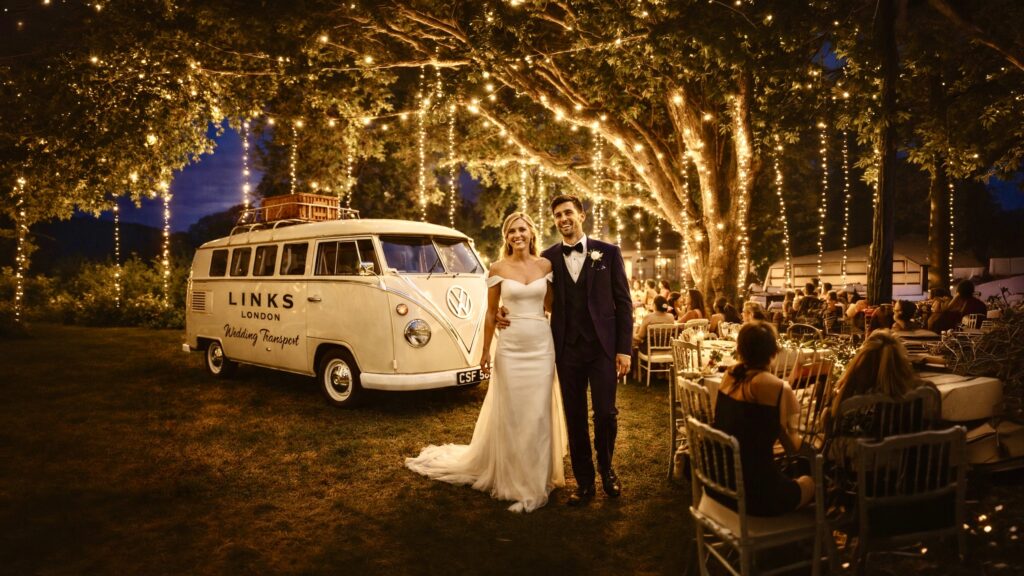
Links of London Wedding Season
When wedding season begins and why it matters
There is no official start to wedding season in the social sense, but in practice it tends to run from May through September in the UK, with the busiest stretch sitting firmly in summer. Recent national figures have continued to place August as the most popular month to marry in England and Wales, with Saturdays remaining the preferred day. That tells its own story. British couples still favour the combination of lighter evenings, easier travel and a reception that can move comfortably between indoors and out.
For anyone attending, planning or buying for a wedding, that seasonal peak matters because it changes what feels right. A polished city ceremony in March asks for something very different from a June garden wedding, a black tie celebration in July or a registry office service followed by supper in September. Wedding season is not only about weather; it is about mood, setting and the level of formality a British wedding tends to carry at different points in the year.
It is also worth remembering that the season is busiest for guests as well as couples. Several invitations can arrive within a matter of weeks, which means decisions about occasion jewellery, accessories and gifts need to be thoughtful as well as practical. The most useful pieces are often the ones that feel special enough for the day yet versatile enough to wear again.
How British wedding settings shape what feels appropriate
One of the easiest ways to dress well for a wedding is to begin not with trend but with setting. In Britain, the venue often tells you almost everything you need to know.
- Countryside and garden weddings tend to invite a lighter touch. Soft tailoring, floral fabrics, gentle colour and jewellery with a natural ease usually feel more at home than anything too sharp or overly formal.
- Black tie celebrations call for greater clarity and restraint. Evening jewellery can carry more presence here, but it should still feel elegant rather than theatrical.
- Registry office weddings often have a cleaner, more modern mood, which can suit understated necklaces, slim bracelets, simple earrings or polished cufflinks.
- Destination weddings usually benefit from pieces that travel well, wear lightly and do not rely on fuss to make an impression.
- Late summer and early autumn receptions often sit somewhere in between: a touch richer in colour and texture, but still best served by moderation.
The same principle applies to dress codes. Morning dress, black tie, cocktail and “garden party” all suggest different degrees of polish, but none require an excess of ornament. A wedding is rarely improved by too many competing details. The strongest looks are almost always the most assuredly edited.
Bridal jewellery should complete the look, not compete with it
For the bride, jewellery is rarely an afterthought, but neither should it feel like a separate performance. The most successful bridal jewellery tends to echo the dress rather than challenge it. That usually means considering line, proportion and finish before anything else.
A clean neckline often invites a necklace or pendant with real purpose, while a dress with heavy embellishment may be better served by earrings alone. Off-the-shoulder and sweetheart shapes can carry a little softness at the collarbone, whereas high necks often look stronger with the focus moved upwards to the ear or downwards to the wrist. Long sleeves, lace and intricate beading generally ask for more restraint, not more decoration.
In summer, particularly for countryside and garden ceremonies, bridal jewellery often works best when it feels luminous rather than elaborate. Pearls, fine metalwork, simple pendants and bracelets with a delicate line can all bring polish without heaviness. For city weddings or evening receptions, there may be room for a clearer note of formality, but the guiding principle remains the same: one focal point is often enough.
There is also a deeper question worth asking. Will the piece still feel meaningful after the wedding itself? The loveliest bridal choices are often the ones that can be worn again on anniversaries, special dinners or simply because they remain part of how the day is remembered. Bridal jewellery need not be reserved only for the aisle. In many cases, its greatest value lies in becoming part of normal life afterwards.

Wedding Limited Edition Links London Lady with bridal styling and accessories
For the groom, finishing touches matter more than volume
Wedding dressing for men is often discussed in terms of suits and tailoring, but the finer details are what lend personality and finish. A groom does not need a collection of competing accessories. He needs the right few.
Cufflinks remain one of the clearest ways to add character, particularly for formal ceremonies, black tie receptions and any look built around a proper shirt. They can be classic, understated or quietly personal, but they work best when they feel intentional rather than flashy. If they are given as a gift before the wedding, so much the better: they become part of the story of the day and often part of the wardrobe beyond it.
Other finishing touches deserve the same discipline. A tie bar, a polished ring, a pocket square or a subtle chain can all have a place, but not usually all at once. For summer weddings, especially those held outdoors, there is real elegance in keeping things crisp and uncluttered. For black tie, the aim is precision. For registry office ceremonies or smaller celebrations, a slightly more relaxed approach can still feel impeccably put together if the details are considered.
The best groom accessories are not there to draw attention away from the whole. They are there to sharpen it.
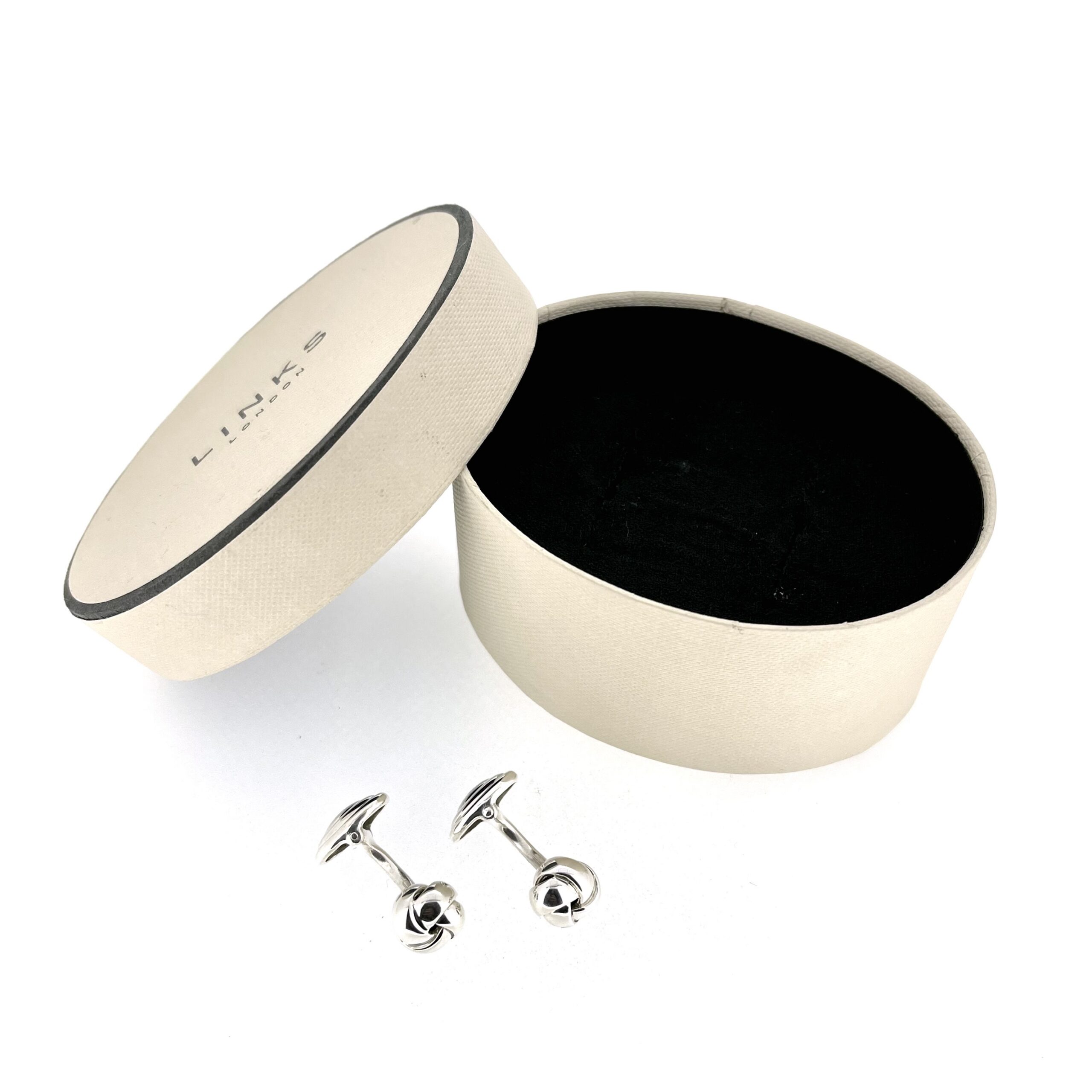
Vintage Links of London Sterling Silver Swivel-Back Knot Cufflinks 11mm
Wedding guest jewellery should feel polished, not overdone
Guests often face the trickiest brief of all. They want to look special, respectful and well dressed, but never as though they have mistaken someone else’s wedding for their own occasion. Jewellery plays a large part in striking that balance.
For daytime ceremonies and summer receptions, lighter pieces are usually the most graceful choice. Earrings that frame the face, a slim bracelet, a pendant necklace or a ring with a clean silhouette can all bring structure to an outfit without weighing it down. If the dress or tailoring already carries print, texture or embellishment, jewellery should take a quieter role. If the outfit is simpler, there is more room for one statement note, though even then it should feel measured.
Garden and countryside weddings often suit softer finishes and an airy sense of proportion. Black tie receptions can carry a little more contrast and shine, particularly in the evening. Registry office weddings tend to reward modern restraint. In every setting, the most flattering approach is usually to choose one element to lead and allow the rest to support it.
This is also where occasion jewellery earns its keep. Pieces chosen for weddings should not feel trapped in a single social moment. The strongest guest choices are the ones you would happily wear again to dinner, a party or another celebration later in the year.
Bridesmaids and mothers of the couple benefit from coordination, not uniformity
When dressing a bridal party, coordination tends to be more elegant than perfect matching. Bridesmaids do not always need identical jewellery to look cohesive in photographs. In fact, they often look better when there is a shared logic rather than exact repetition: the same metal family, for example, or the same level of delicacy, or a similar shape interpreted slightly differently for each person.
That approach is particularly useful when dresses are cut differently or when each bridesmaid has her own style. A subtle necklace for one, drop earrings for another and a bracelet for a third can still feel beautifully joined if the choices sit within the same visual language. The result is more flattering, more modern and often more wearable afterwards.
For mothers of the bride and groom, the brief is one of assurance. These are roles that call for polish, grace and a certain calm authority in dress. Jewellery should support that tone. If the outfit carries embellishment, keep the pieces refined. If the look is tailored and simple, a necklace, earrings or bracelet with understated presence can be enough to lift everything. There is no need to chase youthfulness or trend. The right choice is the one that feels poised, well judged and entirely at ease with the occasion.
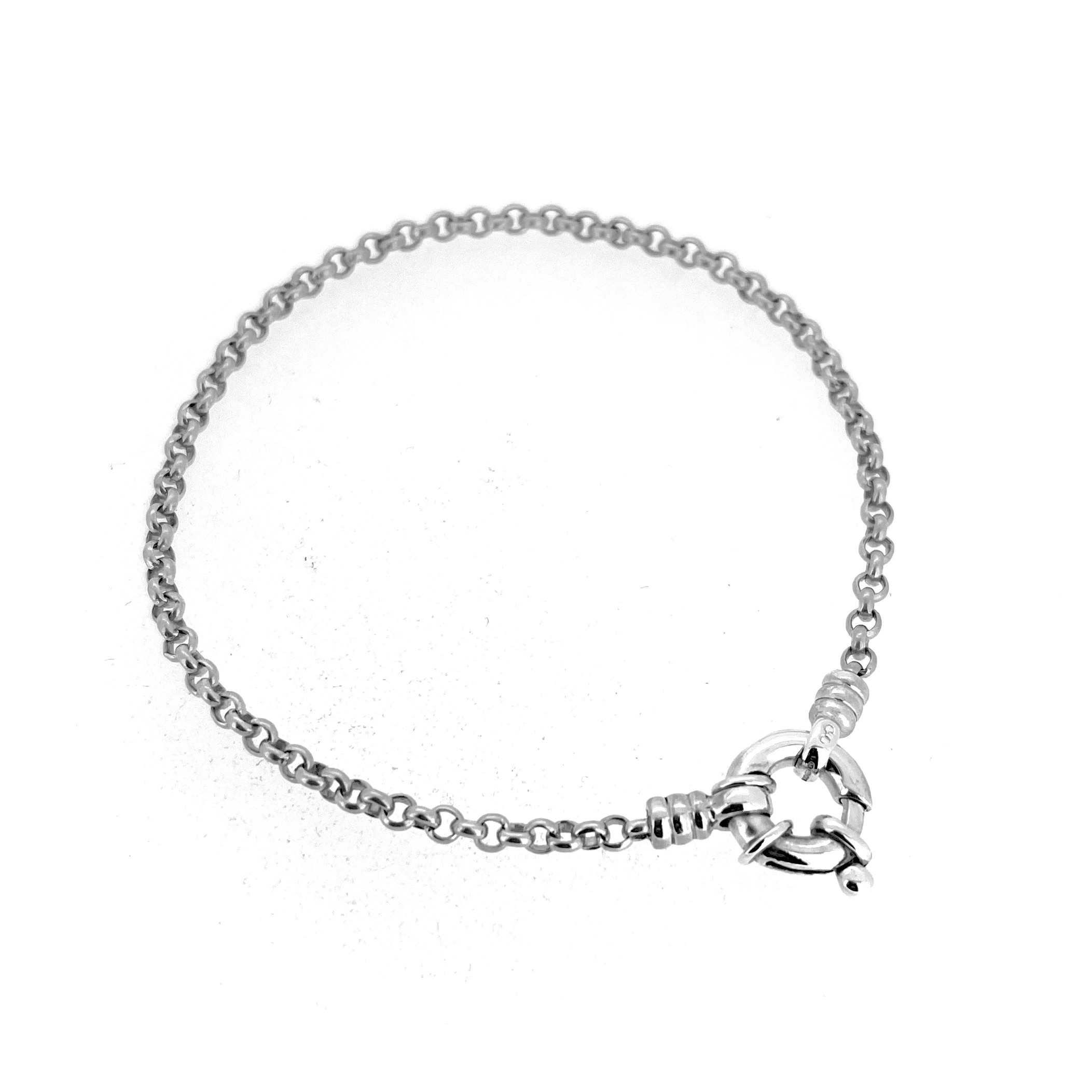
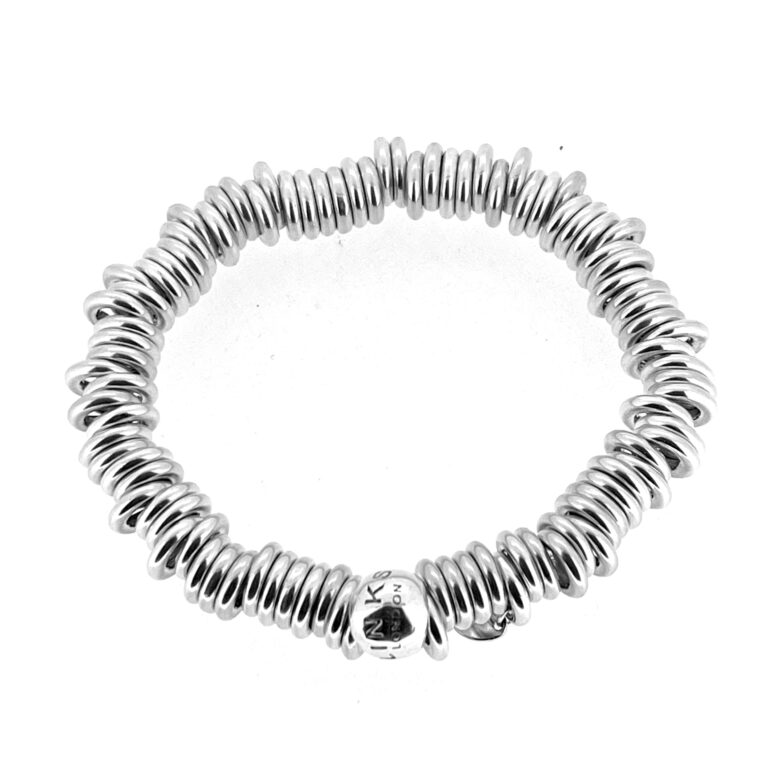
Links of London Sterling Silver Round Link Bracelet 19.5cm Jumbo Bolt Ring
Wedding gifts and keepsakes should feel lasting and personal
Choosing a wedding gift can be unexpectedly difficult. The best gifts are thoughtful without being obvious, memorable without being burdensome and personal without becoming intrusive. That is why jewellery and giftable accessories often hold their own so well in this space: they can feel intimate enough to matter, yet practical enough to live with.
For the couple, the most appealing gifts are often the ones that last beyond the excitement of the day itself. A bracelet, necklace, charm or pair of cufflinks can quietly carry memory in a way that many traditional gifts do not. They can mark the beginning of married life, stand in for a milestone, or simply become part of how the wedding is remembered years later.
For bridesmaids, mothers of the couple, ushers or close friends, smaller keepsakes can be just as meaningful. The value lies less in spectacle than in relevance. A gift chosen with care feels thoughtful because it reflects the person receiving it, not because it announces itself loudly.
There is also something to be said for gifts that can be worn rather than stored. In a season when guests may already be balancing travel, clothing and celebration costs, practicality matters. A well-chosen piece that can be worn again often feels both generous and grounded.
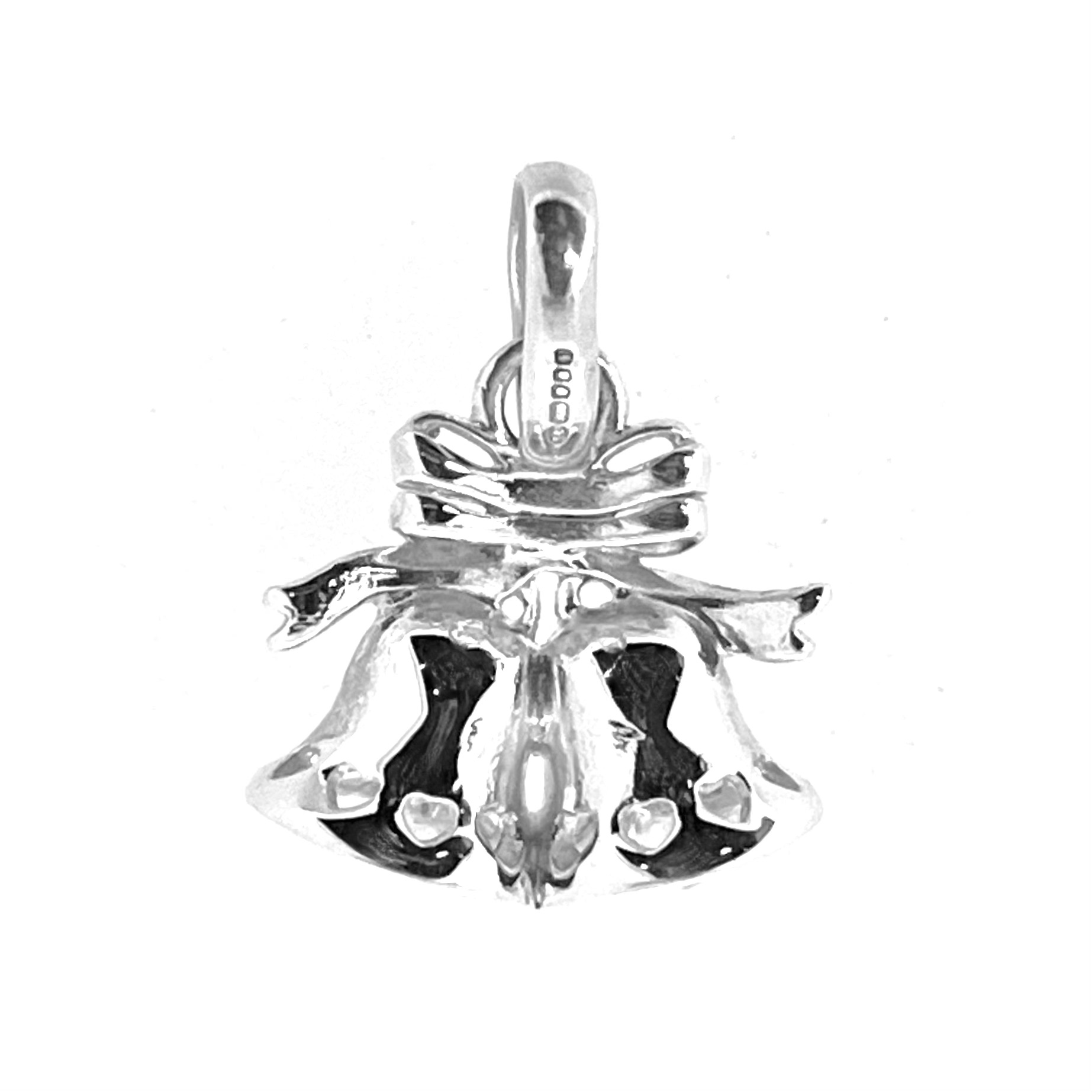
Vintage Links of London Wedding Bells Charm Sterling Silver 2010
Timeless almost always outlasts trend
Wedding dressing has a way of magnifying passing trends. In the months before a ceremony, it can be tempting to choose whatever feels momentarily fashionable simply because it looks current. Yet weddings are one of the few occasions that are made, by design, to be remembered for decades. That is precisely why timeless choices tend to serve so well.
A timeless piece does not mean a dull one. It means something with enough clarity, balance and craft to remain appealing long after a trend has passed. It might be a fine necklace worn with a clean neckline, a bracelet that sits lightly against the wrist, a charm with sentiment built into it, or cufflinks chosen because they feel personal rather than merely formal.
If you are choosing for a wedding, it is worth asking a few quiet questions. Does this suit the setting? Will it still feel right in the photographs five years from now? Can it be worn again in another context? Does it add meaning, or only decoration?
The more honestly those questions are answered, the easier it becomes to choose well. Wedding pieces do not need to be trend-led to feel contemporary. Very often, the most modern thing a person can wear is something with enough confidence not to shout.
A considered approach to wedding season dressing
If there is one useful principle for the season, it is this: let the occasion lead. Think first about setting, dress code and role. Then choose pieces that bring refinement rather than distraction. For brides, that may mean bridal jewellery with a sense of future as well as ceremony. For grooms, it may be cufflinks and other finishing touches chosen with restraint. For guests, bridesmaids and mothers of the couple, it is often a matter of balance and tone. For gift buyers, it is the decision to give something wearable, lasting and quietly personal.
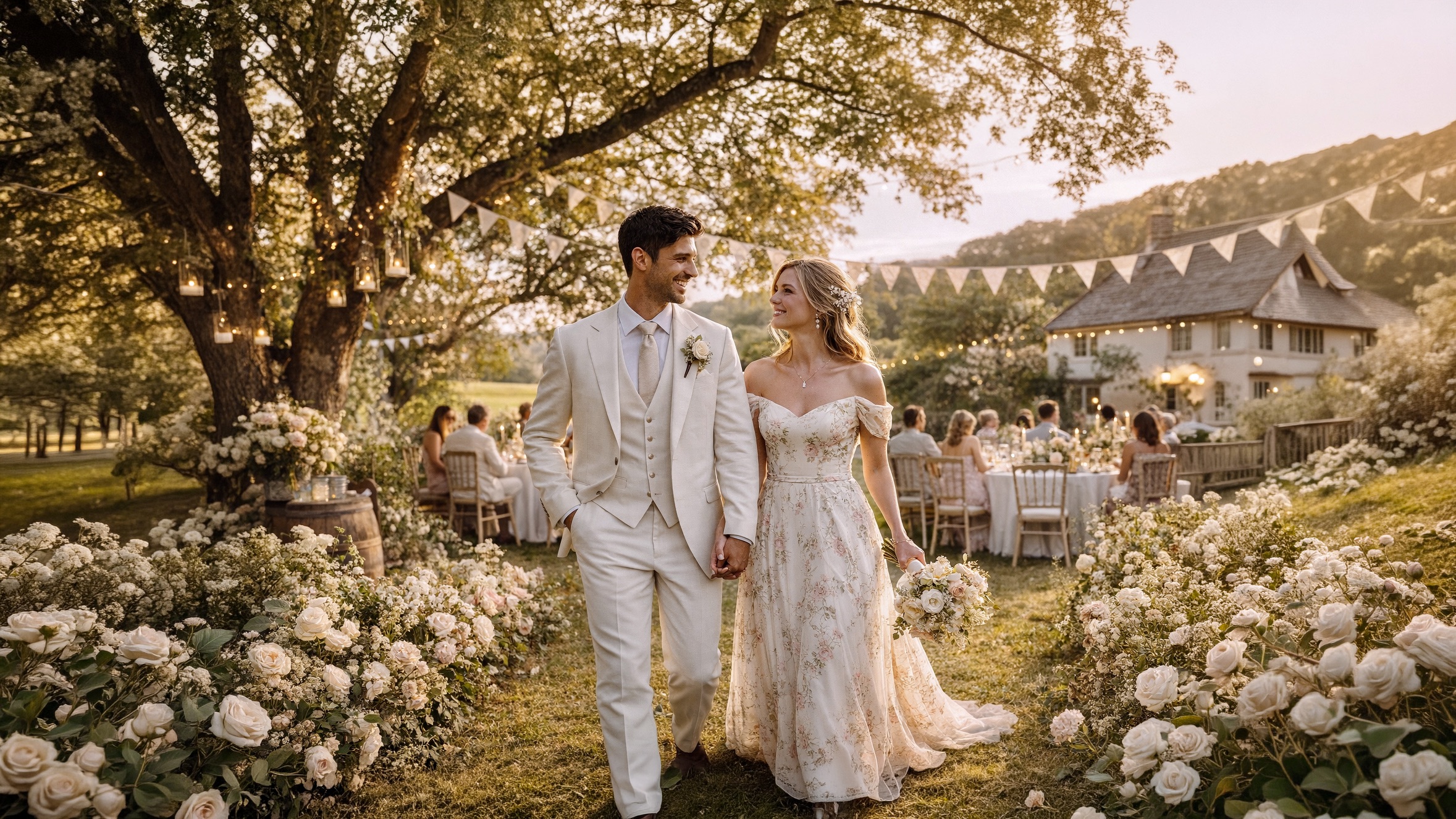
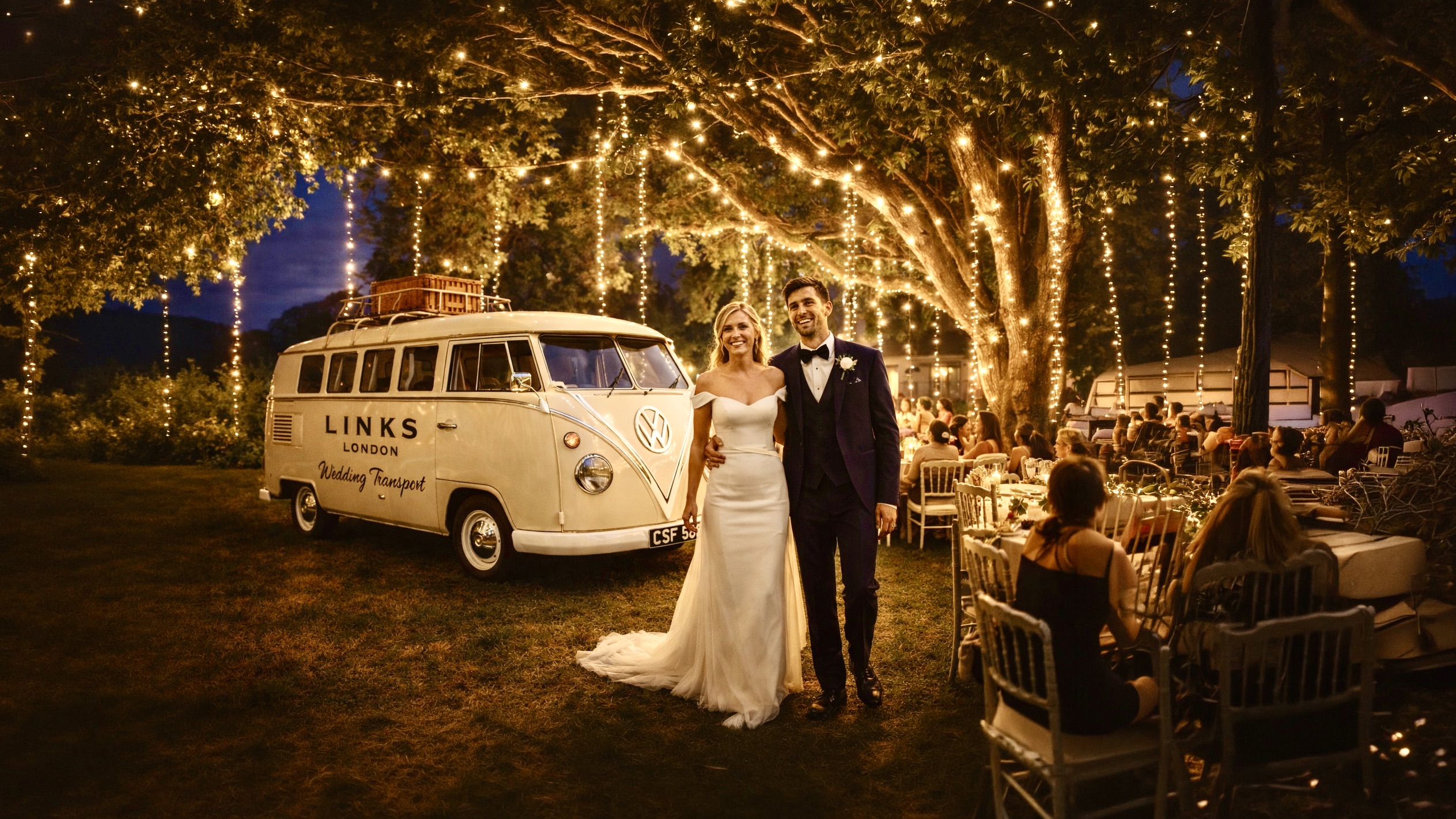
English Countryside Wedding Bride and Grrom
At Links London, we have always believed that the best occasion pieces are the ones that carry their meaning lightly. They are elegant enough for the day itself, but enduring enough to become part of the life that follows. That is what makes them right not only for a wedding, but for everything that comes after it.
Frequently asked questions
When is wedding season in the UK?
In practical terms, wedding season in the UK usually runs from late spring into early autumn. May to September is the busiest stretch, with summer at its most active.
Which month is most popular for weddings in the UK?
August is widely regarded as the peak month, thanks to longer days, warmer weather and the flexibility it offers for outdoor celebrations and travel.
What should guests wear to a summer wedding in the UK?
That depends on the setting and dress code, but lighter fabrics, polished tailoring and jewellery with a refined rather than dramatic feel usually work well. Countryside and garden weddings often suit a softer approach than black tie evening receptions.
Can you wear black to a summer wedding?
Often, yes. Black can look very elegant, particularly for evening celebrations or more formal settings. The key is to keep the overall look appropriate to the tone of the wedding and to soften it, where needed, with lighter accessories or a more summery fabric.
What jewellery should a bride wear to a summer wedding?
Bridal jewellery should complement the neckline, detailing and mood of the dress. In summer, pieces with lightness and clarity often feel particularly beautiful, especially when they add polish without heaviness.
What jewellery is appropriate for wedding guests?
Wedding guest jewellery is best when it feels considered and balanced. Earrings, necklaces, bracelets or rings can all work well, but it is usually wiser to let one element lead rather than wearing everything at once.
What should the mother of the bride wear in terms of jewellery?
Pieces that feel poised and refined are generally the strongest choice. Jewellery should support the outfit rather than compete with it, with more restraint if the fabric or silhouette is already detailed.
What accessories should the groom wear?
Cufflinks are among the most enduring choices, particularly for formal ceremonies. Beyond that, a groom may add a few carefully chosen finishing touches, but restraint is usually what makes the overall look feel sharp.
Does jewellery make a good wedding gift?
Yes, particularly when it has a sense of permanence and personal meaning. Jewellery and giftable accessories can feel celebratory in the moment while remaining useful and memorable long afterwards.
How do you choose timeless wedding pieces?
Look for balance, versatility and emotional relevance. The best pieces suit the day itself, work with the wearer’s personal style and still feel right well beyond the wedding album.
