



Dating original Links of London jewellery is rarely a matter of finding one number or one mark. A date letter can identify the year in which a piece was hallmarked, but that is not automatically the year in which the design was introduced, manufactured, sold or given.
The most reliable approach is to combine the hallmark, branding, product reference, construction, catalogue evidence, packaging and provenance. Each form of evidence answers a different question.
This guide explains how we use those clues when examining original Links of London jewellery for The Vault and the developing Design Archive.
The short answer
A British hallmark date letter dates the hallmarking of the individual article. It does not, by itself, date the design.
A piece may have been hallmarked after a design entered production, sold in a later season, retained by a retailer or presented years afterwards. Some pieces do not carry a date letter at all because the date letter has been optional in the modern British hallmarking system.
We therefore describe a piece as hallmarked with a date letter for a particular year unless separate evidence supports a design, production or retail date.
The five dates that collectors should keep separate
1. Hallmarking year
Where a complete British hallmark includes a date letter, that letter indicates the year in which the article was assayed and hallmarked. It should be read using the date-letter table for the relevant assay office, taking account of the letter, typeface, case and surrounding shield.
The date letter has been voluntary since 1999. At the London Assay Office it is normally applied as standard unless the sponsor requests otherwise. Its absence does not automatically mean that the jewellery is unhallmarked, incorrectly marked or not original.
2. Design introduction
The introduction date is the point at which a design first entered the documented collection. Establishing it usually requires dated catalogues, press material, contemporary advertising, retailer records or another reliable first appearance.
A hallmark from a later year cannot normally establish when the design was launched. It shows that this particular example had reached the hallmarking stage by that year.
3. Production period
Many successful Links of London designs remained in production across several seasons or years. Different examples of the same design may therefore carry different date letters, slightly different brand marks, revised findings or altered product references.
When evidence supports a span rather than a single year, a production period is more accurate than a precise launch claim.
4. Retail or purchase date
A dated receipt, retailer record, gift message or contemporary order confirmation may establish when a particular piece was sold. This can be later than its hallmarking year.
Packaging alone is not enough. Boxes, pouches and bags can be retained, exchanged or paired with jewellery later. They are supporting evidence rather than an independent clock.
5. Ownership and provenance dates
Family records, photographs, insurance schedules and acquisition notes can help establish when a piece entered a collection. These dates form part of its ownership history but should not be confused with manufacture or design introduction.
Start with the complete hallmark
Before interpreting a date letter, identify the complete group of marks. A British hallmark may include:
- the sponsor’s mark;
- the millesimal fineness mark, such as 925 for sterling silver;
- the assay office mark;
- a date letter, where present;
- optional traditional or commemorative marks.
The assay office matters because date-letter tables must be read in their proper context. The same letter viewed without its shield, case and office mark can be misread.
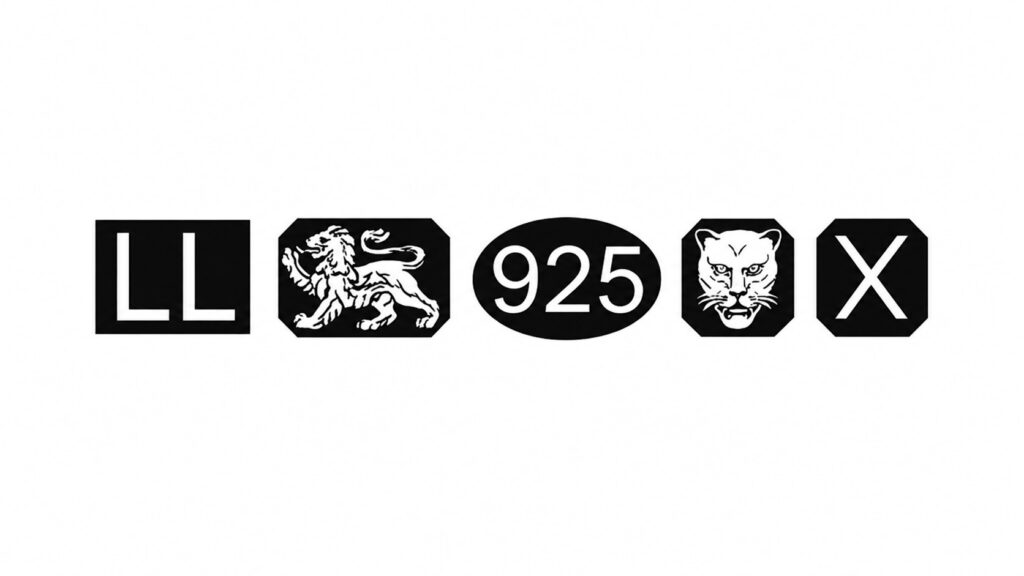
Our guide to understanding British silver hallmarks explains the component marks in more detail.
What 925 and LL can and cannot tell us
The number 925 is a fineness mark. It refers to sterling silver and is not a date.
An LL sponsor’s mark, engraved word mark or three-ring signature can contribute to identification, but it does not normally provide a precise year on its own. Branding must be read alongside the hallmark, construction and documented examples.
Marks may also vary according to the size and construction of the object. A small charm, a bracelet tag and a pair of cufflinks do not necessarily present their information in the same way.
Use product references carefully
A Links of London product reference can be valuable because it helps connect an object to a documented design or variant. It may distinguish size, material, finish or collection.
The reference is not automatically a date code. It becomes chronological evidence only when it can be connected to a dated catalogue, product sheet, retailer record or other controlled source.
The safest conclusion may be that a design was documented by a particular year rather than definitively introduced in that year.
Compare construction and findings
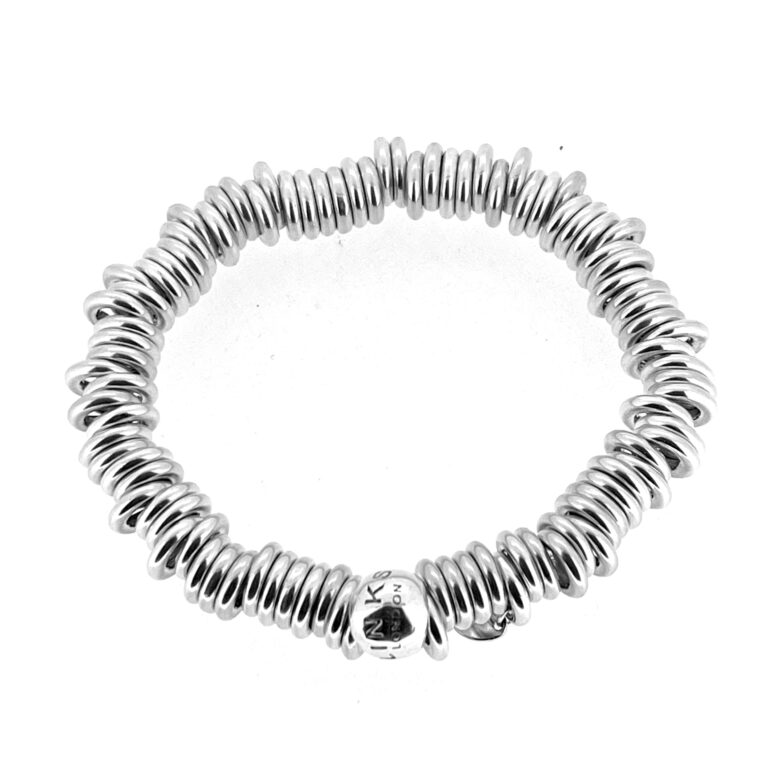
Clasps, bails, split rings, chains, hallmark tags, cufflink fittings and other findings can help place an example within a broader production sequence.
These details are most useful when several examined examples can be compared. A construction difference may indicate a revision, a material variant, a repair or a replacement component. It should not be converted into a date without comparative evidence.
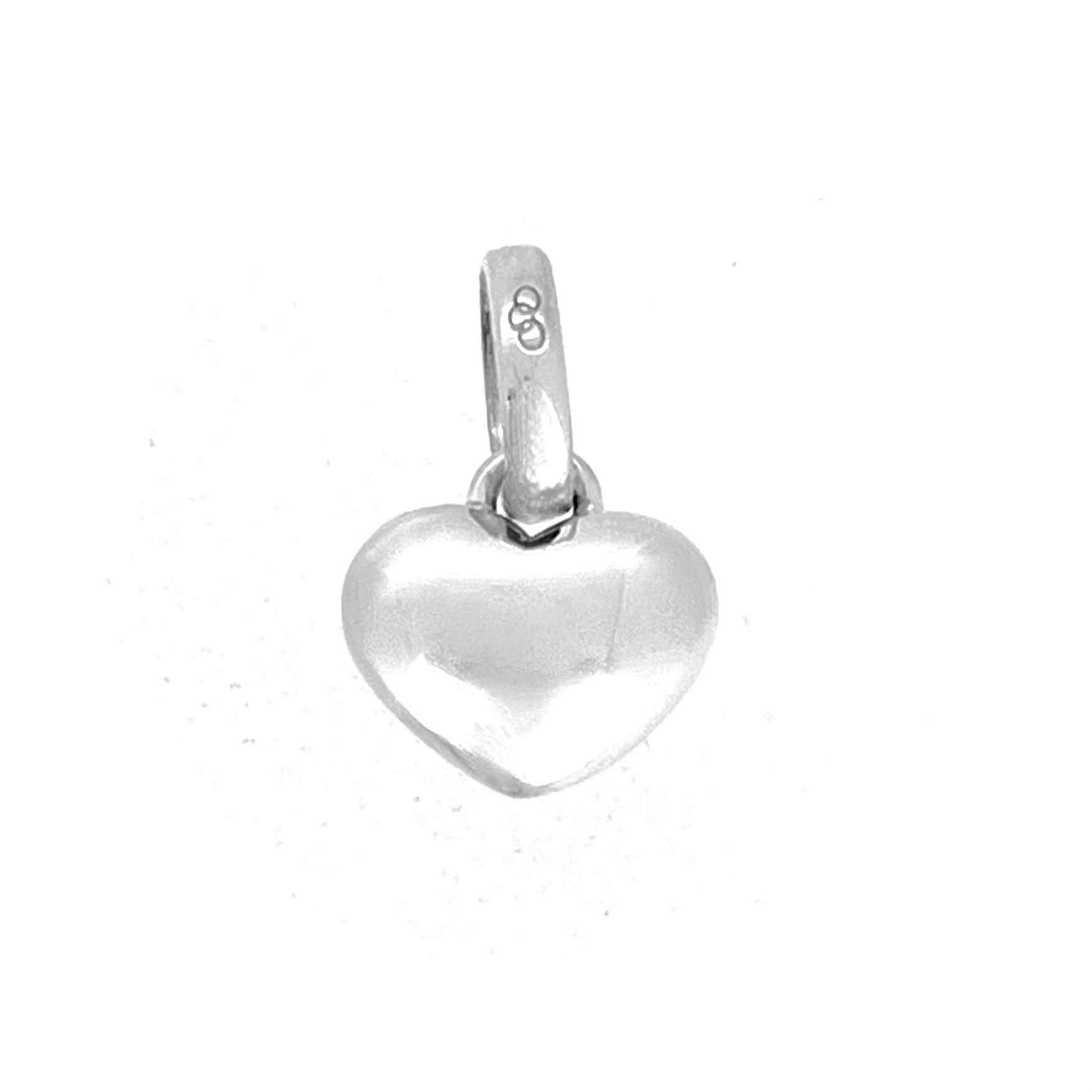
Condition also matters. Polishing can soften marks, repairs can move or replace findings, and restrung pieces may contain parts from different periods.
Catalogue evidence and earliest documented appearance
Dated catalogues are among the most useful sources for establishing that a design was available by a certain point. They can also connect a product reference with a name, size, material and price.
However, the earliest catalogue currently found is not necessarily the first catalogue in which the design appeared. It establishes an earliest documented appearance within the evidence available to us.
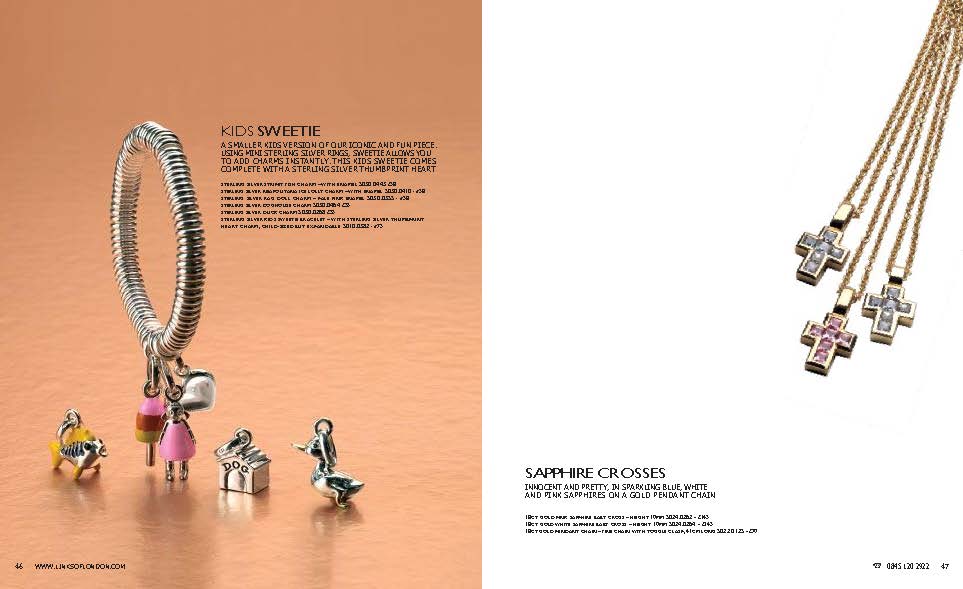
This distinction is important in a developing archive. New catalogues and examined examples may extend a known production period or reveal an earlier version.
Packaging, tags and receipts
Packaging can support a broad period when its design is independently documented, but it should not be used to date jewellery conclusively. Boxes and pouches are portable and are frequently separated from their original contents.
Original tags and receipts can be stronger, particularly when they include a matching product reference, retailer, price and transaction date. Even then, they usually establish the retail history of that example rather than the date on which the design was conceived or manufactured.
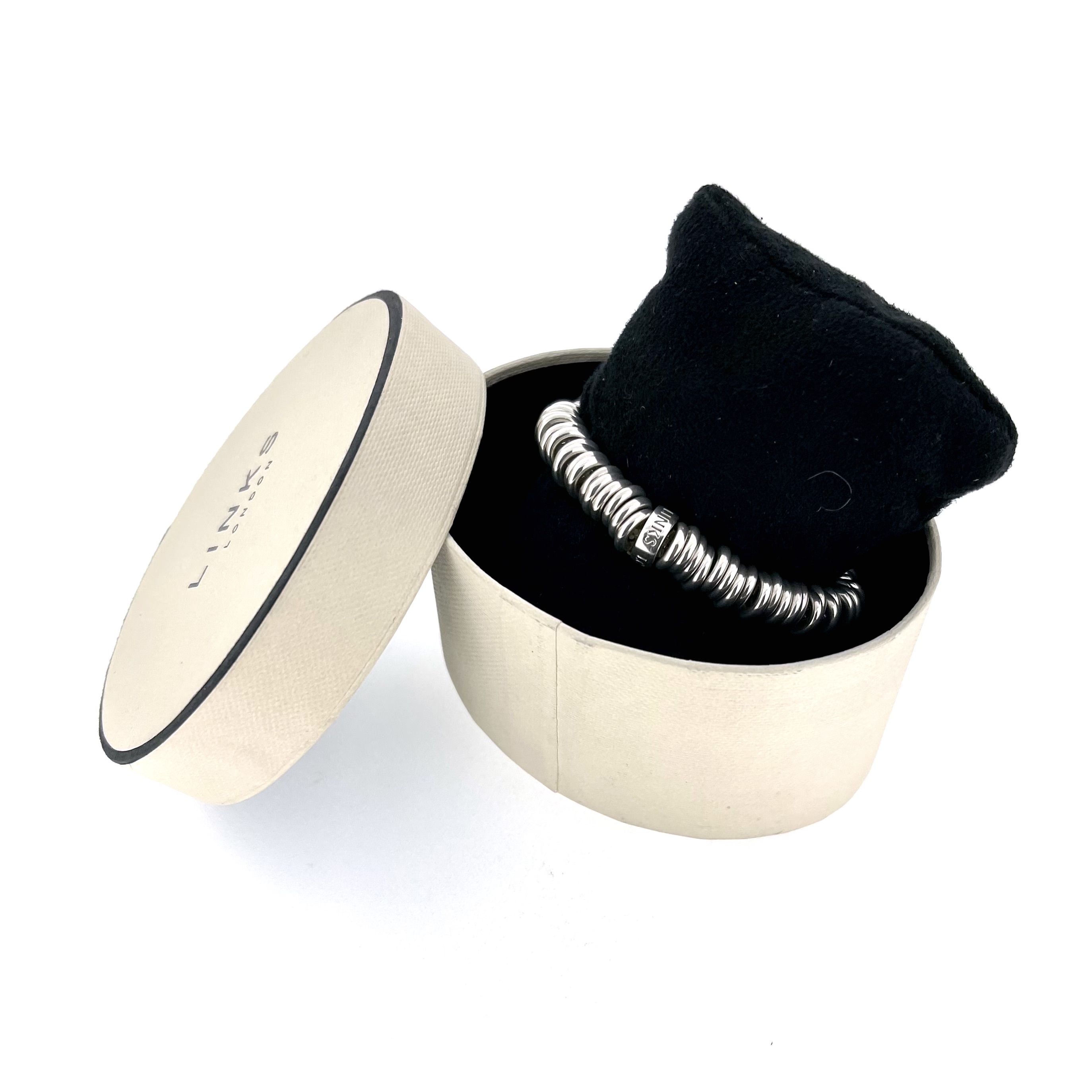
For more detail, see our Links of London packaging guide.
A practical dating sequence
When examining a piece, we work through the evidence in a consistent order:
- Photograph and transcribe every visible mark.
- Identify the metal fineness and assay office.
- Read the date letter only where its form is sufficiently clear.
- Record the sponsor’s mark and other brand signatures.
- Identify any product reference or catalogue match.
- Compare construction, dimensions, weight and known variants.
- Review packaging, tags, receipts and provenance separately.
- State the narrowest conclusion supported by the combined evidence.
The result may be a precise hallmarking year, a documented production range, an earliest known catalogue appearance or simply a broad period. A careful range is better than an unsupported exact date.
How The Vault records dates
Pieces entering The Vault are examined individually. Where present and legible, hallmarks are photographed and recorded. Product references, dimensions, weight, construction, condition, packaging and provenance are documented separately.
A year in a Vault title or description refers to the evidence stated in that record. Where the year comes from a hallmark, it is presented as the hallmarking year rather than an unsupported claim about design introduction.
The same method supports our Links of London Design Archive. As further objects and documents are examined, known dates and production periods can be refined without rewriting uncertainty as fact.
What dating evidence cannot prove
No single date clue ordinarily proves all of the following:
- the first year in which the design existed;
- the exact day or place of manufacture;
- the shop or country in which the piece was sold;
- that packaging has remained with the same piece since purchase;
- complete provenance or ownership history;
- originality where the rest of the object conflicts with the mark.
Dating is one part of identification. Read this guide alongside How to Identify Original Links of London Jewellery, which explains the wider accumulated-evidence method.
Frequently asked questions
Can a hallmark date Links of London jewellery?
Yes, where a legible date letter is present it can identify the year in which that individual article was hallmarked. It does not automatically identify the design’s introduction, manufacture or retail date.
Does 925 show the year?
No. 925 is a millesimal fineness mark for sterling silver, not a date code.
Does every original piece have a date letter?
No. The date letter is optional in the modern British hallmarking system. Its absence should not be treated as conclusive evidence against a piece.
Can a Links of London product code reveal the year?
Not usually by itself. A product reference becomes dating evidence when it can be linked to a dated catalogue, product sheet, retailer record or another reliable source.
Can the box date the jewellery?
Packaging may support a broad period, but boxes and pouches can be separated from their original contents. A matching dated receipt or tag is stronger evidence of retail history.
Why do examples of the same design have different years?
A design may remain in production across several years. Each individual article can therefore carry the date letter for its own hallmarking year.
What is the safest way to describe a dated piece?
State exactly what the evidence records. For example, say that a piece is hallmarked with a date letter for a particular year unless separate evidence supports a launch, production or purchase date.
A developing chronology
The chronology of original Links of London jewellery continues to develop as catalogues, product sheets, retailer material and examined pieces are brought together.
That work is cumulative. A hallmark provides one fixed point; a dated catalogue provides another; construction and provenance add context. Together they allow a more useful and honest account of when a piece belongs, without asking one mark to prove more than it can.
