


Original Links of London jewellery is identified through accumulated evidence. The most reliable assessment considers the design, documented references, branding, hallmarks, construction, dimensions, materials, condition and provenance together. No single logo, 925 mark, box or receipt should ordinarily be treated as conclusive by itself.
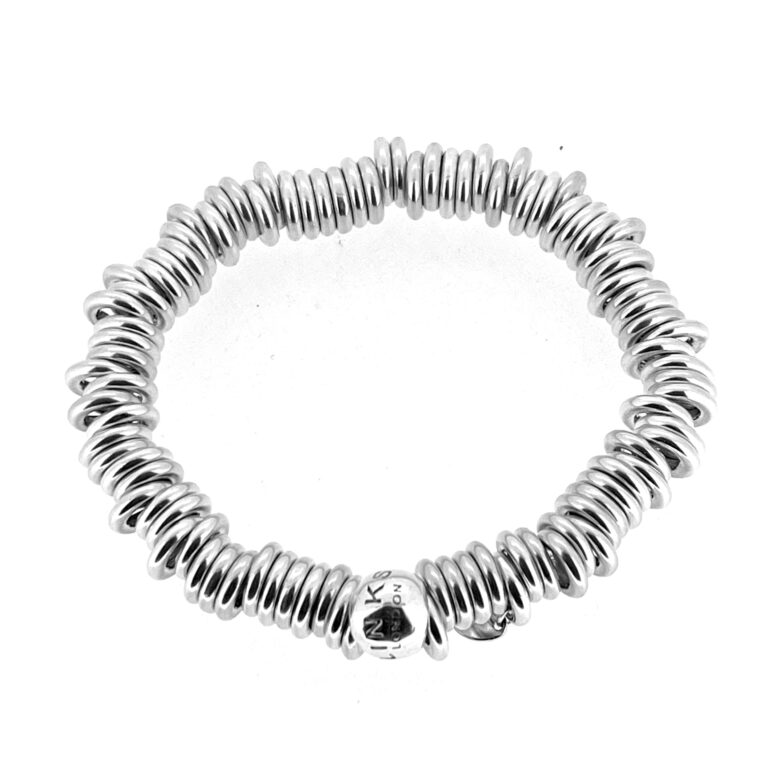
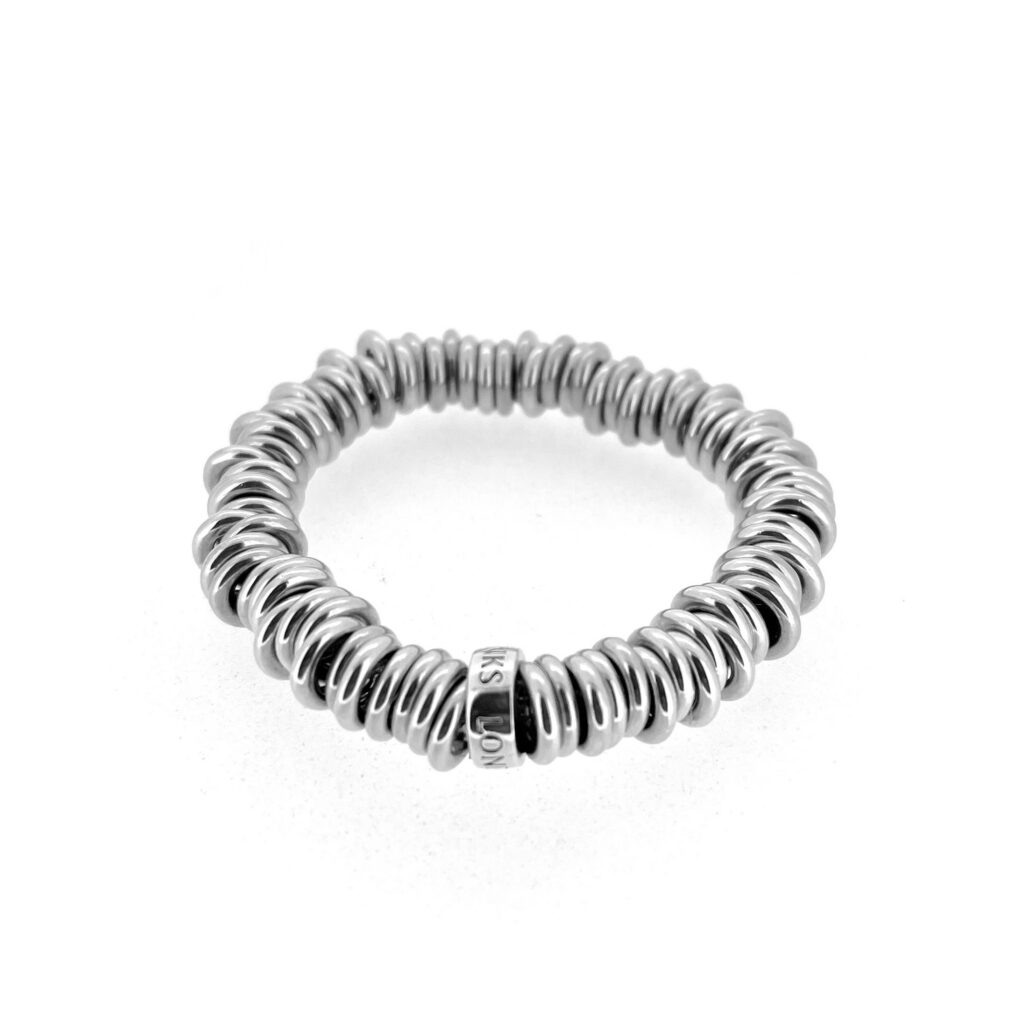
That principle matters because original Links of London jewellery was made across many years, collections, materials and product types. A small silver charm, an elasticated Sweetie bracelet, a pair of cufflinks and a leather accessory do not present the same evidence. Marks may vary in form and placement. Packaging changes. Components wear, bracelets are restrung and chains are sometimes replaced.
This guide explains the evidence-led method we use when examining original pieces for The Vault and the developing Links of London Design Archive.
No Single Detail Proves Originality
A genuine piece may lack one feature that a collector expects to see. Equally, the presence of a familiar feature does not prove the whole object is original.
A 925 mark describes sterling-silver fineness; it is not a brand certificate. An LL mark may be useful evidence, but it must be read in its full context. A box can be separated from the jewellery it originally held. A receipt may support the history of a purchase without proving that the piece now beside it is the same one.
The question is therefore not simply, “Does this piece have the right mark?” It is:
Does the available evidence form a consistent account of the object as a whole?
1. Begin with the Design
The first stage is to identify what the object appears to be. Consider its form, purpose, scale and recognisable design language. Is it a charm, bracelet, pendant, ring, pair of cufflinks, watch, writing instrument or silver object? Does it correspond with a documented collection or known design?
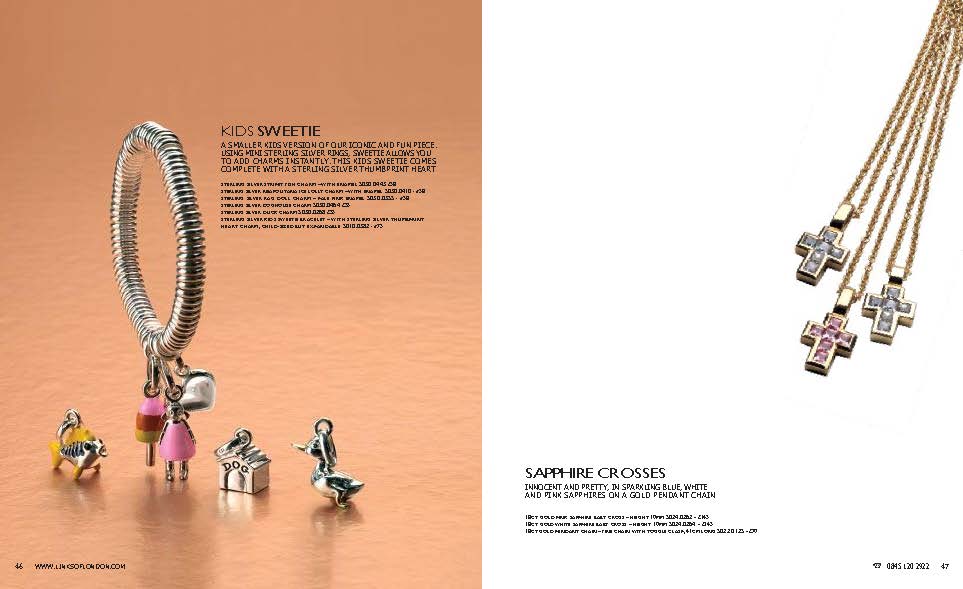
A strong design match is more useful than a vague resemblance. Look for the arrangement of links, the shape of a toggle, the profile of a charm, the position of enamel, the number and spacing of stones, the type of cufflink fitting and other details that distinguish one design from another.
Some designs existed in several sizes, colours, materials or later variations. Identification should allow for those documented differences rather than assuming that every example must be identical.
2. Look for Catalogue and Product References
Historic catalogues, retail material, product records, packaging labels and surviving listings can connect an object to a name or reference number. Links of London references often appear in a numerical format, but surviving records are incomplete and not every object retains a label or documented reference.
A reference is most useful when the accompanying description, material, dimensions and photographs also correspond with the piece being examined. A number repeated online without a reliable source should be treated as a lead to investigate, not proof in itself.
The developing Design Archive brings together information taken from objects we have physically examined and other documented material. Where a reference is supported, we record it. Where it remains uncertain, we do not invent one to fill the gap.
3. Read Branding and Signatures in Context
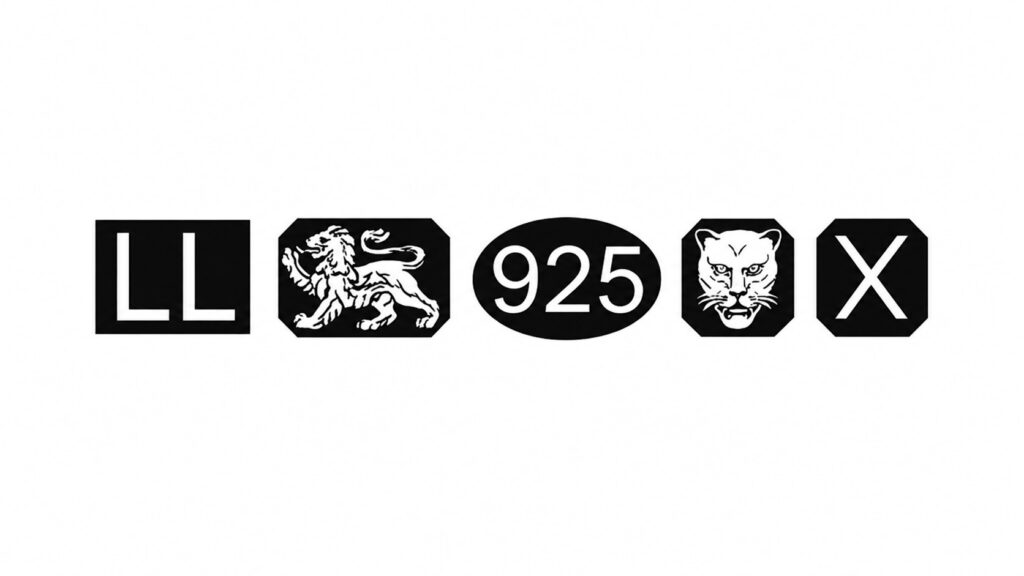
Original pieces may carry branding in different forms, including letters, engraved word marks or logos. The form, size and placement can vary according to period, object type and the amount of surface available.
Branding should be assessed for:
- the form and spacing of the letters or logo;
- the quality and method of application;
- its position on the object or fitting;
- whether that position is plausible for the design;
- how it relates to any adjacent fineness or assay marks;
- whether wear is consistent with the rest of the piece.
A poorly formed mark may raise a question, but wear, polishing, curvature and a small stamping surface can all affect its appearance. Conversely, a crisp familiar-looking mark does not overcome conflicting evidence elsewhere in the object.
4. Examine Hallmarks and Fineness Marks
Hallmarks are important evidence, particularly on precious-metal jewellery, but they must be interpreted correctly. A British silver hallmark may include a sponsor’s mark, a fineness mark, an assay-office mark and, where present, a date letter. Some pieces show only partial or worn marks, while small articles may fall below a legal hallmarking exemption.
The number 925 indicates sterling-silver fineness: 925 parts silver per thousand. It does not identify a brand by itself. A date letter, where present and legible, relates to the hallmarking year of that particular article. It is not automatically the year in which the design was launched, manufactured or sold.
Marks may be found on a clasp, ring, tag, pendant bail, bracelet component, ring shank, cufflink fitting or another discreet area. Good light and magnification are often necessary. Before concluding that a mark is absent, examine all plausible surfaces.
Our detailed guide to Understanding British Silver Hallmarks explains these elements, the 7.78 gram silver exemption threshold and the limits of hallmark evidence.
5. Study Construction and Findings
Construction can be among the most revealing forms of evidence. Consider how the piece has been assembled and how its parts work together.
Depending on the object, this may include:
- clasps, toggles and fastening mechanisms;
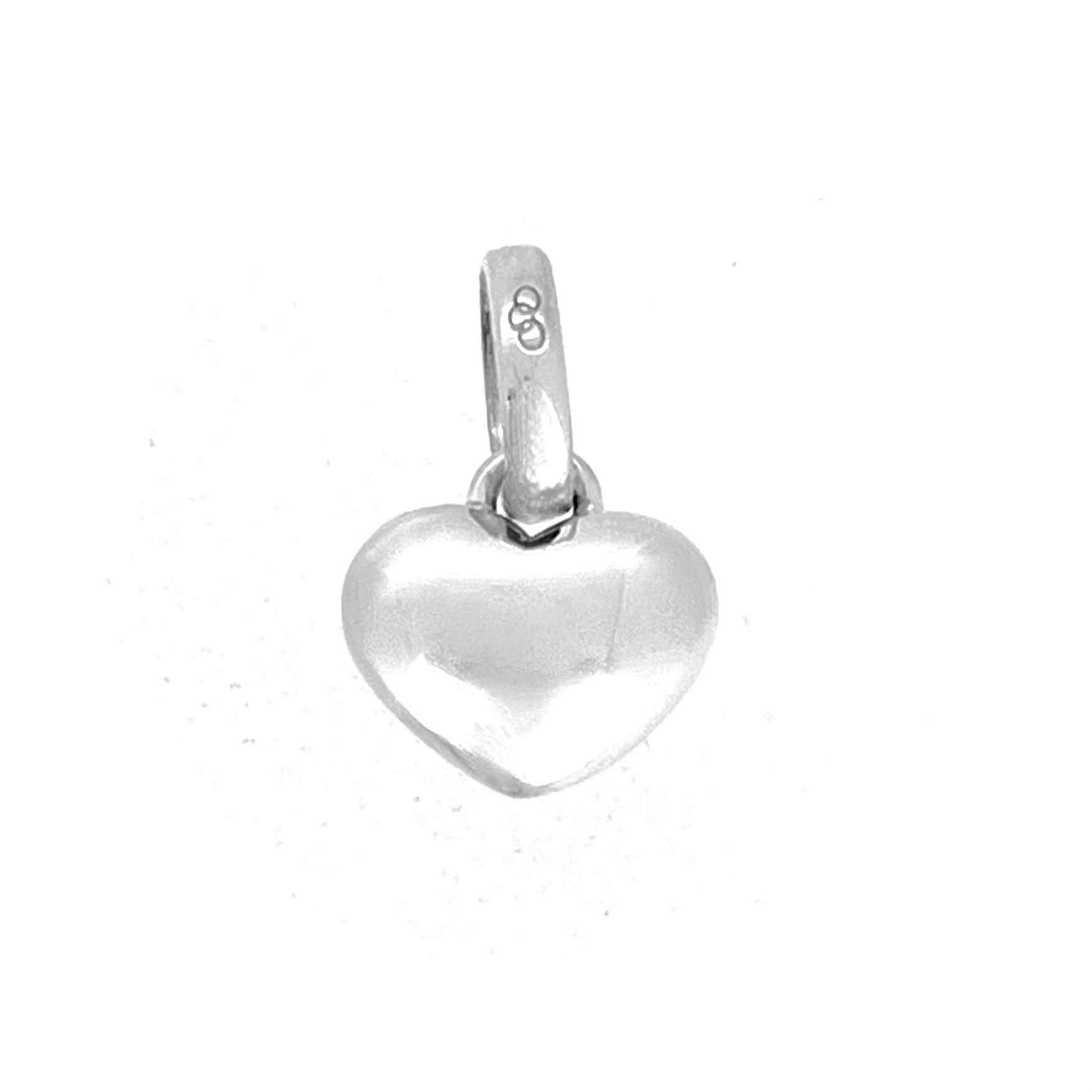
- jump rings, split rings, bails and charm fittings;
- chain type, gauge and end fittings;
- the articulation and spacing of bracelet links;
- elasticated construction and internal cords;
- hinges, catches and cufflink mechanisms;
- stone settings, enamel cells and decorative joins;
- the position of hallmark tags and branded components.
Construction should be consistent with the design’s intended use and quality. It should also be assessed for later intervention. A genuine pendant may hang from a replacement chain. A genuine charm may have a later jump ring. A Sweetie bracelet may have been restrung. Those changes do not necessarily make the principal object inauthentic, but they affect how it should be described.
6. Check Dimensions Weight and Proportions
Measurements help distinguish closely related versions and reveal inconsistencies that photographs can conceal. Record the overall length, width, height, depth and relevant fitting dimensions. For rings and bracelets, record the wearable size. For charms, measure the body separately from the fitting where useful.
Weight can support comparison, but it is not an absolute test. Variations may arise from size, material, stones, enamel, internal construction, replacement components and normal manufacturing tolerance. A weight should be compared only with a genuinely comparable example.
Proportion is often as informative as a single measurement. The relationship between a toggle and its ring, a charm and its bail, or a cufflink face and its fitting may be characteristic even where the total dimensions vary slightly.
7. Identify Materials Finishes and Decoration
Links of London pieces appeared in sterling silver, gold, vermeil, plated finishes, enamel, leather, cord, gemstones and mixed-material constructions. The material description must correspond with the evidence across the whole object.
A 925 mark may support the silver description of the marked component without describing every coating, stone, cord, fitting or replacement part. Surface colour alone is not a reliable material test. Tarnish, rhodium plating, gold vermeil, polishing and wear can all change appearance.
Enamel colour, stone arrangement, surface finish and decorative technique can help identify a variant. They can also show condition issues, such as enamel loss, chipped stones, worn plating or softened detail.
8. Allow for Known Variants
Collectors should be cautious of rules based on a single example. A design may have been sold in more than one size, metal, colour, fastening or regional variation. It may also have evolved during a long retail life.
When two examples differ, the useful questions are whether both variations are documented, whether their construction remains coherent and whether the other evidence supports them. An unfamiliar variation is not automatically wrong; it is a reason to investigate and record uncertainty carefully.
9. Assess Condition Repairs and Alterations
Vintage jewellery has already lived a life. Wear can soften marks and edges, stretch elastic, loosen fittings, scratch polished surfaces and affect plating or enamel. Cleaning and polishing may improve presentation while also reducing the sharpness of very small details.
Look for:
- wear that is consistent across the object;
- later solder, repairs or replaced fittings;
- restringing or changed elastic;
- replacement chains or jump rings;
- missing stones or enamel;
- engraving, resizing or other personal alterations;
- parts whose colour, wear or construction differs from the principal piece.
Intervention should be disclosed where known, visible or relevant. Originality and untouched condition are not the same question. A genuine piece can have been responsibly restored; a component can also be genuine while not original to that particular object.
10. Treat Packaging and Provenance as Supporting Evidence
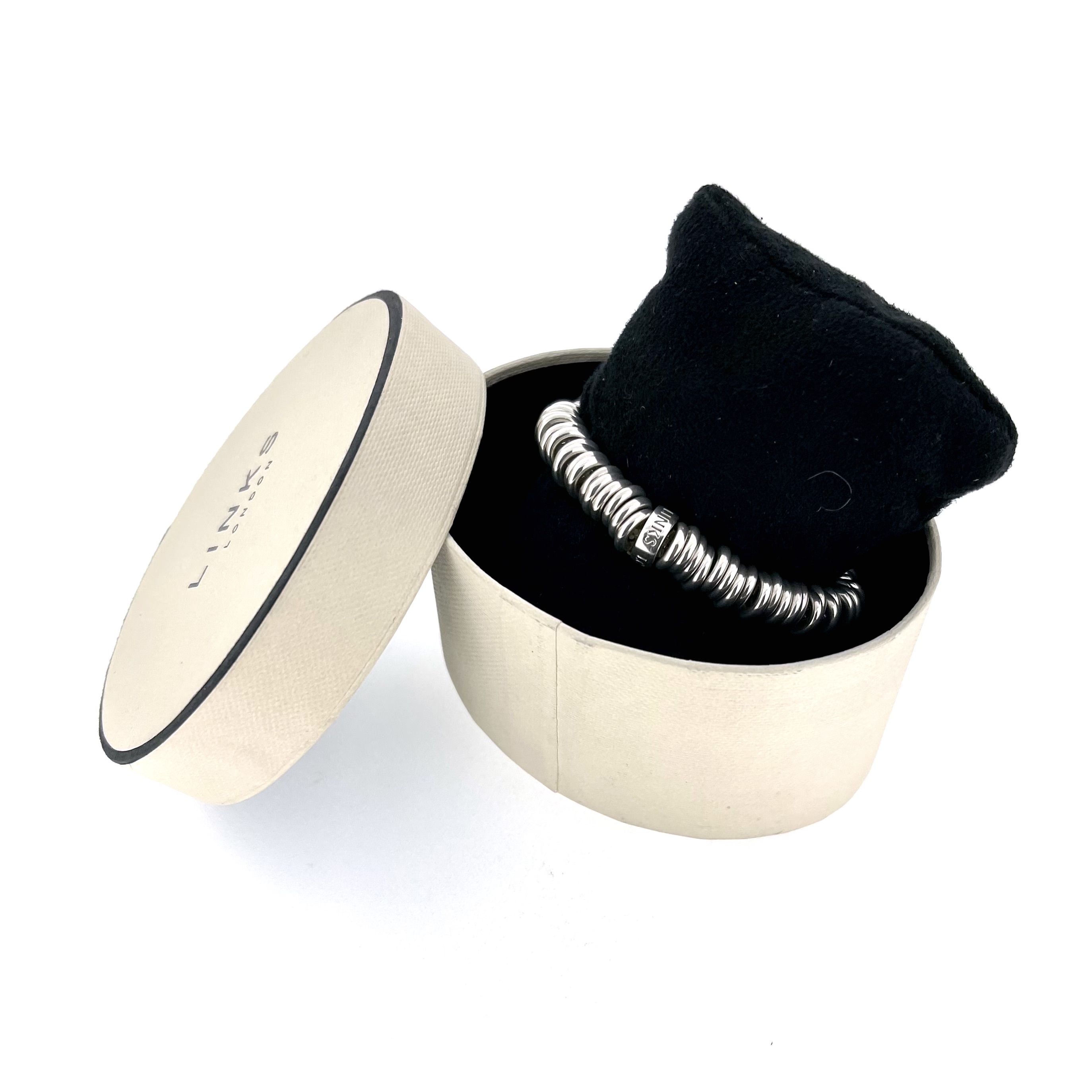
Original boxes, pouches, care cards, tags and receipts can add context and desirability. They may help connect an object to a retail period or presentation style. They should not be treated as conclusive authentication because packaging can be lost, replaced, mixed between pieces or acquired separately.
The absence of original packaging is normal in the secondary market and does not count against a piece by itself. Where packaging is included, its type and condition should be described separately from the jewellery.
Our Links of London Packaging Guide records known presentation styles and explains how they should be interpreted.
Comparison with Examined Examples
Comparison is strongest when the reference object has been physically examined, measured and photographed from several angles. Compare like with like: the same design, size, material and construction where possible.
Online images can be useful, but they may be incomplete, incorrectly titled, copied between sellers or altered by lighting and image processing. Repetition across marketplace listings does not turn an unsupported claim into a documented fact.
For The Vault, knowledge accumulates through individual objects. Each examined piece can contribute marks, measurements, construction details, variants and house photography to the developing catalogue, even after the object itself has been sold.
What the Evidence Can Tell Us
When several independent details agree, the combined evidence can support a confident identification. It may help establish:
- that a piece corresponds with a known Links of London design;
- its likely collection, product type or documented reference;
- its precious-metal standard and hallmarking information;
- the version, size, material or colour represented;
- whether components appear consistent with known examples;
- whether repairs, replacements or alterations are visible;
- how the piece should be described and catalogued.
What the Evidence Cannot Always Prove
Even a well-supported identification may not establish:
- the exact retail purchase date;
- the identity of the original purchaser;
- an uninterrupted ownership history;
- the exact date on which the object was manufactured;
- that every component has remained with the piece from first sale;
- that packaging and jewellery were originally supplied together;
- facts for which no reliable catalogue or archival record survives.
Good cataloguing separates evidence from inference. Where we do not know, we say so.
Can Links of London Jewellery Be Identified from Photographs?
Photographs can support a preliminary assessment, particularly when they clearly show the complete object, marks, fittings, dimensions and condition. They cannot always establish weight, metal composition, the operation of a clasp, subtle construction details or whether a mark has been altered.
For a valuable or disputed piece, physical examination by a suitably qualified independent jeweller or specialist remains the more reliable route. We do not treat a single photograph as a substitute for handling the object.
A Practical Collector Checklist
- Identify the object type and apparent design.
- Look for a documented catalogue match or product reference.
- Photograph all branding, hallmarks and fittings clearly.
- Record dimensions, wearable size and weight.
- Examine construction, fastenings and component compatibility.
- Describe metals, finishes, enamel, stones and other materials carefully.
- Check for known sizes, colours and design variants.
- Record wear, repairs, restringing and replacement components.
- Treat boxes, tags and receipts as supporting evidence.
- Compare with physically examined examples wherever possible.
- Separate what is proven, probable and still unknown.
The Links London Standard
Our approach is to describe what can be evidenced, avoid overstating what cannot, and assess each vintage piece as a complete object.
This method supports The Vault’s commercial work, but it also serves a wider purpose. By recording original Links of London jewellery consistently, we can preserve knowledge of designs and variants that might otherwise remain scattered across private collections and the secondary market.
For related guidance, visit The Vault, Authenticity & Care, Understanding British Silver Hallmarks, the Links of London Design Archive and the Links London FAQ.
Frequently Asked Questions
How can I tell whether Links of London jewellery is original?
Assess the piece through accumulated evidence: design, references, branding, hallmarks, construction, dimensions, materials, condition and provenance. No single feature should ordinarily be treated as conclusive.
Does an LL mark prove authenticity?
No. An LL mark may be useful evidence, but it should be read alongside the complete hallmark set, its placement, the object’s construction and comparison with documented examples.
Does 925 prove a piece is genuine Links of London?
No. 925 indicates sterling-silver fineness. It does not identify Links of London by itself.
Can an original piece lack a date letter?
Yes. A date letter may be absent, worn or difficult to read, and some smaller pieces may not carry a full hallmark. Its absence should not be assessed in isolation.
Does original packaging prove authenticity?
No. Packaging can support provenance and help identify a retail period, but boxes and pouches can be separated from the jewellery they originally held.
Is the hallmark year the design year?
Not necessarily. A date letter relates to the hallmarking year of that article. A design may have been introduced earlier and produced across several years.
Can a repaired piece still be original?
Yes. A genuine piece may have been restrung, polished or fitted with a replacement component. Known or visible intervention should be described accurately.
Can jewellery be authenticated from photographs alone?
Photographs can support a preliminary assessment, but they may not show weight, metal composition, operation or every construction detail. Physical examination is more reliable for valuable or disputed pieces.
