
The Complete History of Links of London: Founding, Expansion, Legacy, and Decline

The Complete History of Links of London

From a Single Commission to a Global Icon: Setting the Stage

Links of London was once a celebrated fixture in Britain’s jewelry landscape. Founded in 1990 by Annoushka Ducas and John Ayton, the company began with a single serendipitous commission—fish-shaped cufflinks designed for a London fishmonger. From this humble starting point, Links of London grew into a globally recognised luxury jewellery brand renowned for its contemporary British aesthetic, playful charms, and accessible approach to personalisation.

Over the next two decades, Links of London expanded rapidly, opening boutiques across Europe, North America, the Middle East, and Asia. Acclaimed for signature pieces like the Sweetie bracelet and friendship bracelets, the brand thrived in an era when customers craved not just quality, but meaning and narrative in their purchases. Eventually acquired by the Greek luxury conglomerate Folli Follie in 2006, Links of London ventured further into international markets and diversified product lines, only to face mounting challenges in the 2010s. By October 2019, the brand had entered administration, concluding a remarkable journey from small-scale startup to international jewellery powerhouse—and ultimately, cautionary tale.

This comprehensive, in-depth account draws on established business reports, reliable fashion journalism, and historical archives to provide an authoritative look at Links of London’s inception, global ascent, eventual decline, and the lasting imprint it left on British jewellery design.

The Brand’s Inception and Early Vision (1990s)

Serendipity Sparks Innovation: The Fish-Shaped Cufflinks

Links of London’s story began with a moment of serendipity that would ultimately define a new era in contemporary British jewelry. In the late 1980s, Annoushka Ducas, then working in Hong Kong, received a call from her mother, who owned a fish supply business catering to some of London’s top restaurants. Her mother had an unusual request: she wanted unique, memorable gifts for her 60 best chef clients.

Recalling her time in the Philippines, where she had encountered skilled silversmiths, Ducas suggested crafting silver cufflinks shaped like fish—a playful nod to her mother’s trade. The result was 120 pairs of exquisitely designed cufflinks: 60 as gifts for the chefs and 60 as extras. Unsure of how to sell the surplus, Ducas approached Harvey Nichols, one of London’s most prestigious department stores. A buyer expressed interest but requested a broader collection to accompany the cufflinks. Seizing this opportunity, Ducas expanded the offering, and Harvey Nichols placed an order. This marked the official birth of Links of London in 1990, a brand founded on creativity, quality, and a touch of whimsy.

A Vision Rooted in Storytelling and Personalization

From its earliest days, Links of London stood apart from traditional luxury jewelers by emphasizing personalization and narrative. “We wanted to create pieces that told a story,” Ducas explained. Each design reflected an aspect of British culture, personal connections, or meaningful moments. Whether it was a charm symbolizing a life milestone or cufflinks inspired by everyday life, Links of London celebrated individuality and emotional resonance in its jewelry.

The company’s first collection focused on sterling silver accessories and whimsical cufflinks, which appealed to customers who sought something distinctive yet refined. These early pieces blended craftsmanship with a sense of fun, capturing the imagination of London’s style-conscious clientele.

The First Boutique: A New Kind of Jewelry Experience

Links of London’s first boutique opened in London in the early 1990s, offering a fresh perspective on luxury jewelry retail. Unlike the traditional, often intimidating environments of established jewelers, the store embraced a modern and welcoming ambiance. It was a space where customers could browse freely, interact with knowledgeable staff, and discover the stories behind each piece.

The brand’s name, Links of London, reflected its roots in cufflinks while also symbolizing the connections and relationships that jewelry often represents. This ethos resonated deeply with customers, who valued the opportunity to curate pieces that held personal significance.

Creativity Meets Opportunity

Ducas often reflects on the brand’s beginnings as a combination of creativity and fortuitous timing. In interviews, she has emphasized the importance of intuition in the company’s early successes. “We never set out to build a global business,” Ducas recalled. “We just wanted to make beautiful things that people would love.” This authenticity, coupled with an astute understanding of consumer desires, laid the foundation for the brand’s rapid growth.

By 1994, Links of London had expanded its offerings to include charm bracelets, necklaces, and rings, further solidifying its reputation as a pioneer in the personalization movement. The designs were celebrated for their ability to reflect the wearer’s personality, capturing moments and memories in tangible form.

Rapid Growth and Media Recognition

The mid-1990s brought increased attention to Links of London, fueled by glowing reviews in prestigious fashion magazines like Vogue and Tatler. Editors praised the brand’s ability to marry elegance with individuality, making luxury jewelry approachable yet meaningful. This media coverage, combined with word-of-mouth recommendations, established Links of London as a go-to destination for discerning shoppers.

Partnerships with high-end retailers, including Harvey Nichols and Selfridges, expanded the brand’s reach and introduced its designs to a broader audience. Meanwhile, the iconic cream-and-black packaging, tied with a ribbon, became synonymous with thoughtful gifting, reinforcing the brand’s appeal for special occasions.

Building a Legacy of Meaningful Luxury

By the close of the decade, Links of London had become synonymous with contemporary British jewelry design. Its focus on storytelling, craftsmanship, and emotional resonance resonated with customers seeking more than mere ornamentation. The brand offered a new way to engage with luxury, turning every purchase into a deeply personal experience.

Annoushka Ducas’s journey from a small commission of fish-shaped cufflinks to the founding of an internationally celebrated brand reflects her intuitive creativity and entrepreneurial spirit. Links of London’s early success was not just a result of innovative designs but also of a philosophy that jewelry should connect people to their stories, memories, and one another.

Establishing a British Identity

From the very beginning, Links of London set out to redefine how people engaged with luxury jewelry. Annoushka Ducas envisioned a brand that celebrated everyday moments and personal connections rather than adhering to the formalities of traditional heritage jewelers. “Jewelry is not just about aesthetics—it’s about the stories we carry with us,” Ducas explained in an interview. This philosophy informed every aspect of the brand’s identity, from its designs to its retail spaces.

The flagship London boutique, opened in the early 1990s, embodied this ethos of approachable luxury. Unlike legacy jewelers whose designs and store environments often exuded formality, Links of London created a space where customers felt welcomed and inspired. Ducas wanted the experience to feel modern and inclusive, saying, “We wanted to remove the barriers people often feel in high-end jewelry stores. Jewelry should be joyful, accessible, and full of meaning.”

Links of London’s designers consistently drew inspiration from the world around them—nature, travel, relationships, and everyday life. Whether it was a charm shaped like a teapot or cufflinks with playful motifs, each piece reflected a personal or cultural story. Ducas described this approach as creating “jewelry that people could relate to, that captured a moment or a memory.” The collections offered a refreshing alternative to the ornate, often inaccessible styles prevalent in the luxury market at the time.

This inclusivity extended to the brand’s philosophy about how jewelry should be worn. Ducas believed jewelry shouldn’t be reserved for special occasions but should instead become part of daily life. “Jewelry is not just something to keep locked away; it’s an extension of who you are,” she said. This belief drove the design of versatile pieces like charm bracelets, which allowed wearers to curate their own stories over time, and understated necklaces and rings that complemented everyday attire.

By balancing classic British elegance with a contemporary flair, Links of London struck a chord with a new generation of customers who were seeking more than just beautiful objects. They wanted jewelry that resonated with their personal experiences and expressed their individuality. This reimagining of luxury—where beauty and meaning coexisted—became a hallmark of Links of London’s identity and contributed to its widespread appeal.

Global Expansion and International Recognition (Late 1990s–2000s)

Building an International Footprint

As consumer tastes shifted in the late 1990s, Links of London positioned itself as a modern, accessible luxury brand with global aspirations. Recognizing an untapped demand for personalized, story-driven jewelry, the company began expanding beyond the UK’s borders, entering international markets with carefully selected flagship stores and strategic retail partnerships.

The first step in its global journey was opening boutiques in prominent shopping districts. By the early 2000s, Links of London had established itself in key fashion capitals, including New York’s Madison Avenue, Tokyo’s Ginza district, and Hong Kong’s Harbour City. These locations were deliberately chosen to attract a cosmopolitan clientele, offering an experience that blended British charm with contemporary design. “We wanted to take a piece of London’s spirit to the world,” said Annoushka Ducas in an interview reflecting on the expansion.

In addition to standalone boutiques, Links of London strategically partnered with high-end department stores such as Bloomingdale’s in the US and Lane Crawford in Asia, ensuring its products reached discerning shoppers in prestigious settings. This approach not only elevated the brand’s visibility but also allowed it to tap into existing networks of luxury consumers.

A Diverse Product Range for a Global Audience

As the brand expanded internationally, it diversified its product offerings to appeal to a wide range of customers. While cufflinks and charm bracelets remained the cornerstone of its collections, Links of London began introducing new categories, including watches, necklaces, earrings, and home décor items. This diversification aimed to position the brand as more than a purveyor of jewelry—it became a destination for luxury gifts.

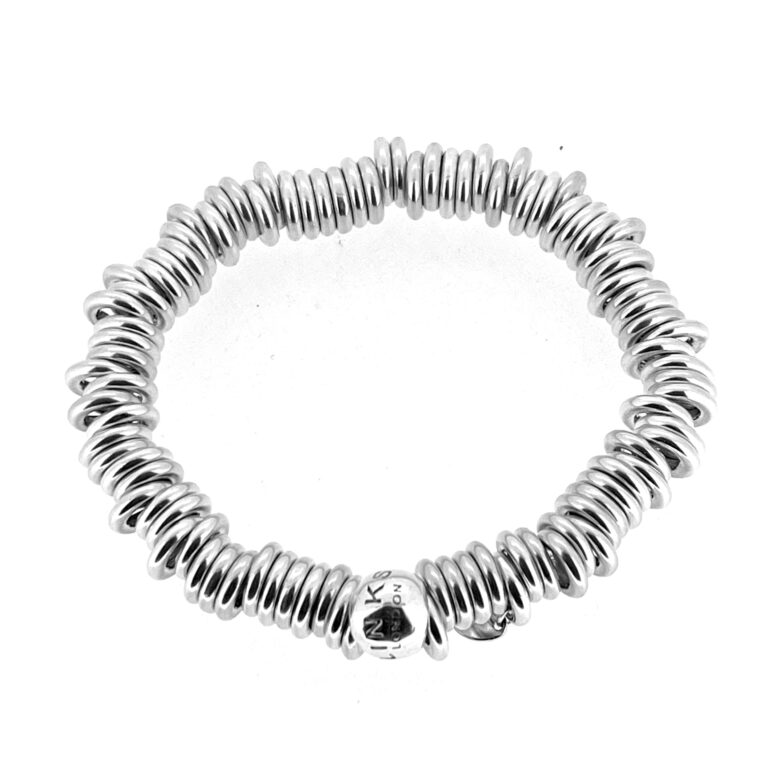
The Sweetie bracelet, introduced in the early 2000s, played a significant role in the brand’s global success. Its distinctive elastic design, composed of sterling silver rings, allowed customers to add charms, making each piece highly personal. The Sweetie quickly became one of Links of London’s most iconic products, appealing to both individual buyers and gift-givers. Similarly, the Friendship bracelet—a modern take on the nostalgic woven bands of youth—bridged cultural divides with its vibrant cords and precious metal finishes. These designs resonated with a global audience, offering a blend of sentimentality and luxury.

Strategic Retail Placements and Collaborations

One of Links of London’s most notable strategies was its emphasis on high-traffic, high-profile retail locations. By the mid-2000s, the brand had opened stores in airports, including Heathrow and Changi, catering to international travelers seeking premium, easy-to-carry gifts. These concessions became a significant driver of revenue, leveraging the brand’s association with British elegance to attract tourists.

The company also capitalized on collaborations to enhance its global appeal. In 2012, Links of London launched a collection inspired by McLaren’s Formula 1 cars, blending motorsport aesthetics with men’s jewelry and accessories. This partnership demonstrated the brand’s ability to merge its design ethos with external influences, appealing to new demographics.

Similarly, its partnership with Ascot Racecourse led to the creation of a bespoke collection celebrating the glamour and tradition of British horse racing. The Ascot collaboration showcased Links of London’s talent for tying its products to iconic cultural moments, strengthening its position as a brand synonymous with British heritage.

A Growing Network of Boutiques

By the early 2010s, Links of London had grown its footprint to include more than 60 stores worldwide. These included prominent locations such as London’s Covent Garden and a boutique in Waterloo Station, strategically positioned to capture high footfall. The Covent Garden store, opened in 2011, embodied the brand’s modern yet classic aesthetic, while the Waterloo Station outlet catered to the commuter market with its convenient and visually striking setup overlooking the station’s iconic clock.

The brand also embraced innovative store designs to stand out in competitive retail environments. Many of its boutiques incorporated interactive displays and dedicated charm bracelet stations, allowing customers to engage with the product in a tactile, personal way. These elements fostered customer loyalty, encouraging repeat visits and word-of-mouth recommendations.

The Appeal of Accessible Luxury

Links of London’s success in international markets was driven by its ability to strike a delicate balance: offering high-quality, beautifully designed products at a price point that made luxury attainable for a wider audience. While it maintained the hallmarks of a premium brand—expert craftsmanship, elegant packaging, and an emotional connection with customers—it avoided the exclusivity and high price barriers of traditional high-jewelry houses.

This strategy allowed Links of London to resonate with a diverse customer base, from affluent shoppers in Hong Kong to style-conscious millennials in North America. The brand’s ability to tell universal stories through its designs—of friendship, love, and personal milestones—gave it a timeless appeal that transcended cultural boundaries.

Recognition and Cultural Relevance

The 2000s marked a period of cultural relevance for Links of London, as it became a favorite among celebrities, influencers, and discerning shoppers. Media coverage in publications such as Vogue, Tatler, and Harper’s Bazaar frequently highlighted the brand’s collections, cementing its reputation as a staple of modern British luxury.

Through its expansion, diversified product lines, and thoughtful collaborations, Links of London successfully carved out a space in the global jewelry market. By the end of the decade, it had grown from a single boutique in London into a recognized name across continents, celebrated for its ability to combine craftsmanship, storytelling, and accessibility.

Signature Collections: Sweetie and Friendship Bracelets

The Sweetie Bracelet: A Revolutionary Approach to Personalization

Among the many collections that defined Links of London’s legacy, the Sweetie bracelet stood out as a transformative piece in the world of contemporary jewelry. Introduced in the early 2000s, the Sweetie bracelet quickly became a bestseller and an enduring symbol of the brand’s innovative approach to personalization. Composed of sterling silver rings strung on an elastic band, the bracelet offered a versatile design that was as stylish as it was functional.

The Sweetie’s true magic lay in its ability to incorporate charms, allowing wearers to build a unique and personal piece over time. Customers could select charms that reflected milestones, memories, and personal narratives, making each bracelet a one-of-a-kind creation. Annoushka Ducas described the Sweetie bracelet as a “canvas for storytelling,” emphasizing how it encouraged customers to engage with the brand on a deeper, more emotional level.

Its design also made it an ideal gift for special occasions. Whether celebrating birthdays, anniversaries, graduations, or new beginnings, the Sweetie bracelet became a go-to choice for meaningful presents. Retailers often highlighted its versatility, marketing it as a piece that could transition seamlessly from casual wear to more formal settings.

The Sweetie bracelet also benefitted from strategic placements in high-traffic retail locations. Airport boutiques, such as those at Heathrow and Changi, showcased the bracelet prominently, appealing to travelers seeking premium but portable gifts. This strategy contributed significantly to its global success, with the Sweetie bracelet becoming one of the most recognizable pieces in Links of London’s portfolio.

Friendship Bracelets: Nostalgia Meets Luxury

While the Sweetie bracelet captivated audiences with its personalization and charm, the Friendship bracelet appealed to a different yet equally sentimental aspect of jewelry. Inspired by the woven bands often exchanged in childhood, Links of London’s Friendship bracelets elevated this nostalgic tradition into the realm of luxury.

Introduced in the mid-2000s, these bracelets featured colorful, handwoven cords paired with precious metal accents. The juxtaposition of playful materials and fine craftsmanship reflected the brand’s ethos of creating accessible luxury with a personal touch. Annoushka Ducas described the Friendship bracelet as “a celebration of connection and individuality,” emphasizing its appeal to customers across generations.

The design resonated particularly well with younger consumers, including millennials who valued meaningful purchases with a story. The vibrant cords came in a range of colors, allowing wearers to choose pieces that reflected their personalities or the significance of the friendship they symbolized. Meanwhile, the precious metal elements ensured the bracelets retained an air of sophistication.

The Friendship bracelet also became a popular choice for gifting, particularly among friends and family members looking to celebrate bonds that transcended traditional romantic associations. Retail Jeweller noted that these bracelets frequently drove repeat purchases, as customers returned to collect different styles or to buy matching sets for friends and loved ones.

Cultural and Commercial Impact

Both the Sweetie and Friendship bracelets exemplified Links of London’s ability to blend craftsmanship with emotional resonance, creating pieces that were not just jewelry but a way for customers to express themselves. Retailers praised the collections for their ability to attract a broad customer base, from first-time buyers drawn to the sentimentality of the designs to loyal customers who returned to add new charms or bracelets to their collections.

The cultural impact of these collections was equally significant. Media outlets and fashion magazines often featured the bracelets, framing them as must-have accessories that captured the zeitgeist of the early 2000s. Celebrities were frequently photographed wearing Sweetie and Friendship bracelets, further elevating their status as iconic pieces.

The Enduring Appeal

Even as the brand faced challenges in later years, the Sweetie and Friendship bracelets remained enduring symbols of Links of London’s design philosophy. They showcased the brand’s ability to innovate while staying true to its core values of personalization, storytelling, and accessible luxury. Today, these collections continue to be sought after on the secondary market, cherished by collectors and longtime fans who appreciate their timeless appeal.

Key Highlights of the Sweetie and Friendship Bracelets:

  • Sweetie Bracelet:
    • Launched in the early 2000s.
    • Composed of sterling silver rings on an elastic band, designed for adding charms.
    • Marketed as a versatile and personal gift for life’s milestones.
    • Prominently featured in airport boutiques and international flagship stores.
  • Friendship Bracelet:
    • Introduced in the mid-2000s.
    • Handwoven cords paired with precious metals for a modern twist on a nostalgic concept.
    • Celebrated connections and individuality, appealing to younger audiences.
    • Offered in a variety of colors, driving repeat purchases.

Together, the Sweetie and Friendship bracelets solidified Links of London’s reputation as a brand that redefined how jewelry could connect people to their stories and to each other.

Marketing, Events, and Collaborations

Leveraging Iconic British Events

From its earliest years, Links of London positioned itself as a brand deeply rooted in British culture. By associating its name with significant national events and institutions, the company created a narrative of heritage, elegance, and modernity that resonated globally. Collaborations and strategic partnerships became a cornerstone of its marketing strategy, reinforcing its identity as a quintessentially British luxury brand.

One of the brand’s first major partnerships was with Ascot Racecourse, where it became the official jewelry sponsor of the world-famous horse racing event. This collaboration introduced a bespoke collection of equestrian-themed pieces, including charms shaped like jockey hats, horseshoes, and stirrups. These designs reflected the glamour and tradition of Ascot, appealing to customers who valued both the craftsmanship and the cultural significance of the collection.

Expanding through High-Profile Collaborations

In 2010, Links of London expanded its retail presence in Wimbledon with the opening of a concession in Elys of Wimbledon, an independent department store. This move strategically aligned the brand with the area’s prestigious tennis tournament, allowing it to attract both local shoppers and international visitors. By placing itself in proximity to Wimbledon’s iconic courts, Links of London reinforced its ties to British heritage while increasing its visibility among tennis fans.

Building on this momentum, the brand launched a landmark partnership with McLaren in 2012. The McLaren collection, inspired by the engineering precision of Vodafone McLaren Mercedes Formula 1 cars, included men’s jewelry and accessories that appealed to motorsport enthusiasts. This collaboration showcased Links of London’s ability to blend cutting-edge design with its signature craftsmanship, broadening its appeal to a more diverse audience.

The London 2012 Olympics

Later that same year, Links of London became the official jewelry licensee for the London 2012 Olympics, a pivotal moment in its history. This partnership allowed the brand to design a collection of sport-inspired charms, bracelets, and accessories that commemorated the Games. Featuring motifs like the Olympic rings and symbolic British imagery, the collection captured the energy and excitement of the event.

The Olympic collection was strategically marketed in high-traffic locations such as Heathrow Airport and flagship stores, capitalizing on the influx of international travelers during the Games. These pieces became popular keepsakes, offering customers a way to celebrate the historic event while showcasing British craftsmanship. The partnership not only drove sales but also cemented Links of London’s reputation as a brand capable of connecting its designs with moments of national pride.

Official Jewellery Sponsor of Wimbledon

In 2014, Links of London elevated its connection to the Wimbledon tennis tournament by becoming its official jewelry sponsor. This prestigious partnership led to the creation of exclusive collections inspired by the elegance and tradition of Wimbledon. Designs often featured the tournament’s iconic purple and green colors, as well as tennis-themed motifs such as rackets, strawberries, and engraved pendants.

One standout piece was a sterling silver bracelet engraved with “#thequeue,” celebrating the British tradition of queueing for Wimbledon tickets. Another highlight was a pendant engraved with Rudyard Kipling’s inspirational poem “If,” which is famously displayed at the entrance to Centre Court. These collections combined contemporary style with timeless tradition, appealing to both tennis fans and fashion-conscious shoppers.

To complement the partnership, Links of London’s boutiques near Wimbledon showcased the collection prominently, attracting tournament attendees seeking sophisticated mementos. This collaboration reinforced the brand’s position as a storyteller, blending cultural significance with elegant design.

Consistent Brand Identity

Throughout these partnerships, Links of London maintained its distinctive packaging as a hallmark of its identity. The cream-and-black boxes, tied with a ribbon, became synonymous with the gifting experience and added an extra layer of luxury to each purchase. These details extended the emotional resonance of the brand, ensuring that every purchase felt special and meaningful.

Sustaining Relevance in a Competitive Market

Links of London’s ability to align itself with major cultural and sporting events ensured that it remained relevant in an increasingly competitive market. By tying its designs to moments of national significance—whether through the elegance of Ascot, the excitement of Wimbledon, or the global spotlight of the Olympics—the brand reinforced its core values of connection, craftsmanship, and British heritage.

While the challenges of the later years ultimately affected its trajectory, these collaborations remain a testament to Links of London’s creativity, adaptability, and enduring appeal.

The Folli Follie Acquisition and the Height of Success (2006–2010s)

New Ownership, New Opportunities

In July 2006, Links of London was acquired by the Greek luxury group Folli Follie for a reported £45 million. The acquisition marked a significant turning point for the brand, providing it with the resources and global infrastructure needed to accelerate its international expansion. Folli Follie, known for its expertise in fashion and accessories, envisioned Links of London as a key player in the luxury gifting market and sought to scale its operations worldwide.

With backing from Folli Follie, Links of London entered a phase of rapid growth. The brand opened numerous boutiques in high-profile locations, expanding its presence across Europe, Asia, and North America. Notable store openings included flagship locations in New York, Hong Kong, and Tokyo, as well as concessions in luxury department stores such as Bloomingdale’s and Lane Crawford. These expansions allowed the brand to tap into new markets and establish itself as an accessible yet aspirational jewelry line for a global audience.

The influx of capital also enabled a comprehensive refresh of the brand’s retail strategy. Existing stores were refurbished to create a more immersive shopping experience, with updated designs that reflected Links of London’s modern aesthetic. Inventory levels increased, and the brand expanded its product portfolio to include watches and men’s accessories, aiming to capture a broader share of the luxury market. Despite these changes, Links of London remained committed to its core design philosophy: creating meaningful, personal jewelry that connected emotionally with its customers.

Diversification and New Horizons

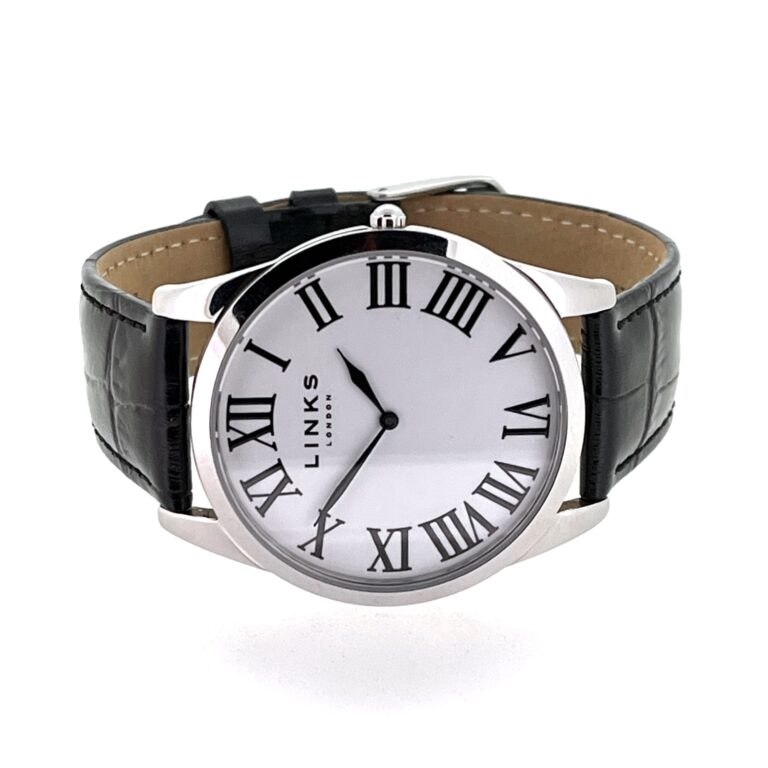
Under Folli Follie’s ownership, Links of London sought to diversify its offerings while staying true to its storytelling roots. Beyond its signature charm bracelets and Sweetie collections, the brand introduced timepieces and a refined line of men’s accessories. These new categories allowed Links of London to appeal to both its traditional customer base and a growing demographic of male shoppers seeking elegant yet understated gifts.

The brand’s expanded product lines also reflected an effort to position itself as more than a jewelry retailer. By offering an array of luxury gifting options, Links of London aimed to become a destination for celebratory purchases, from anniversaries to corporate milestones. Retail Jeweller noted that these efforts successfully broadened the brand’s appeal without diluting its identity, as the new offerings retained the craftsmanship and emotional resonance that defined Links of London.

Heightened Marketing Efforts

Folli Follie’s global expertise brought heightened marketing activities to Links of London. The brand increased its presence in high-traffic areas, particularly in airport boutiques, which became key drivers of revenue. These locations, including Heathrow and Changi, catered to travelers seeking premium, portable gifts, making Links of London a staple in the duty-free luxury market.

The brand also continued to innovate with seasonal and event-based collections. Collaborations with institutions such as Ascot Racecourse and partnerships tied to cultural events further elevated its profile. Media campaigns emphasized Links of London’s heritage and versatility, ensuring it remained a relevant choice for both traditional and modern customers.

Peak Popularity and Customer Engagement

By the late 2000s, Links of London had firmly established itself as a beloved brand, reaching a zenith in popularity that resonated with customers across generations. The brand’s unique ability to combine thoughtful design with storytelling created an emotional connection that few competitors could replicate. Annoushka Ducas, reflecting on the brand’s success in interviews, emphasized the importance of creating “jewelry that people could relate to,” and this philosophy became the cornerstone of Links of London’s approach to customer engagement.

Immersive Boutique Experiences

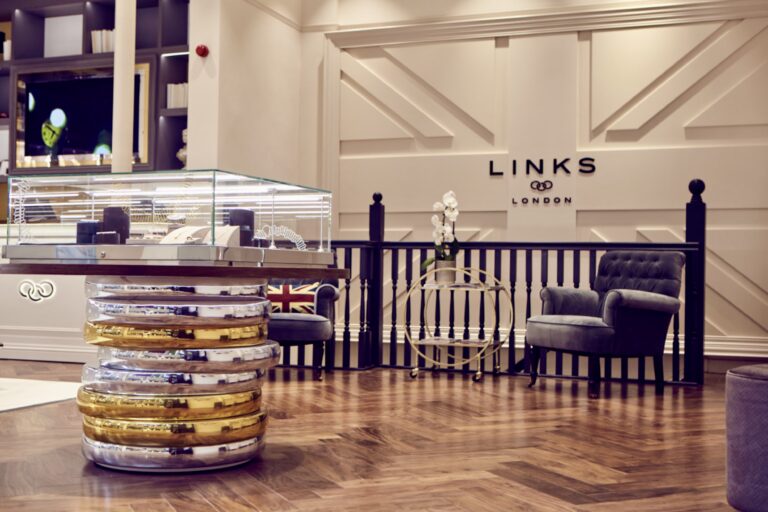
Links of London boutiques became more than retail spaces; they were destinations where customers could immerse themselves in the brand’s narrative. Each boutique was designed to reflect the brand’s modern yet classic aesthetic, with clean lines and a welcoming atmosphere that made luxury feel approachable.

The staff played a pivotal role in this experience. Trained extensively on the stories behind the collections, associates acted as guides, helping customers curate their charm bracelets or choose meaningful gifts. This hands-on approach allowed customers to feel connected to their purchases, whether they were selecting charms to mark personal milestones or exploring seasonal collections for special occasions.

Customer service at Links of London was exemplary. Complimentary charm cleaning and personalization services ensured that customers returned regularly, fostering loyalty. “We wanted to create a place where people felt at home, where they could come back not just to shop but to revisit their own stories,” Ducas remarked. This ethos transformed the buying process into a collaborative and deeply personal experience.

Storytelling and Emotional Resonance

The brand’s storytelling ethos was not confined to its jewelry; it extended to every aspect of its operations, from marketing campaigns to in-store interactions. Customers viewed Links of London as a partner in commemorating life’s events—birthdays, anniversaries, weddings, and more. The charm bracelets, in particular, became a physical manifestation of these memories, with each charm representing a unique story.

Retail Jeweller highlighted how this personalization set Links of London apart in a competitive marketplace. “It wasn’t just about selling jewelry,” one article noted. “It was about selling meaning.” This focus on emotional resonance allowed the brand to thrive even as other mid-luxury jewelers and emerging fashion labels entered the market.

Thoughtful Packaging and the Gift Experience

Links of London’s attention to detail extended to its iconic packaging, which became a hallmark of the gifting experience. The cream-and-black boxes, tied with ribbon, elevated each purchase into a moment of celebration. Whether a piece was bought for oneself or as a gift, the packaging added an extra layer of sentimentality, reinforcing the brand’s position as a go-to choice for commemorating special moments.

This thoughtful presentation was particularly effective during holidays and major life events, where the combination of meaningful jewelry and elegant packaging made Links of London a favorite destination for gift buyers.

Repeat Visits and Customer Loyalty

The combination of immersive boutique experiences, exemplary customer service, and emotionally resonant products encouraged repeat visits. Many customers returned not just to purchase new pieces but to engage with the brand’s evolving story. Seasonal collections, limited-edition charms, and collaborations provided fresh opportunities for loyal customers to expand their collections.

Links of London also fostered a sense of community among its customers. Charm bracelet workshops, often hosted in flagship stores, allowed customers to interact with each other while exploring the brand’s offerings. These events further deepened the connection between the brand and its audience, turning customers into ambassadors who shared their experiences with friends and family.

Navigating a Competitive Market

Despite facing fierce competition from brands like Pandora and newer entrants in the mid-luxury space, Links of London maintained its position by focusing on its unique strengths. Annoushka Ducas often spoke about the importance of authenticity in design and customer relationships. “People come back to a brand that feels genuine,” she explained. “We weren’t just selling jewelry; we were selling a connection.”

This approach allowed Links of London to differentiate itself from competitors who emphasized mass production over storytelling. While other brands offered charm bracelets, few could match the depth of personalization and emotional engagement that Links of London provided.

The Height of Popularity

By the late 2000s, Links of London had become a household name in the UK and beyond. Its boutiques were thriving hubs of activity, and its products graced the wrists and necks of customers who valued both quality and meaning. The brand’s ability to create an intimate, customer-centric experience set it apart in a crowded market and laid the foundation for its lasting legacy.

Challenges After the Sale to Folli Follie: Annoushka Ducas’s Perspective

After selling Links of London to the Greek luxury group Folli Follie in 2006 for a reported £45 million, Annoushka Ducas stepped away from the day-to-day management of the brand. However, as she reflected in interviews, the transition brought a mix of relief, challenges, and a profound sense of loss.

Letting Go of Creative Control

In her interviews, Ducas has frequently spoken about the emotional difficulty of relinquishing creative control over a brand she had poured her heart into. “It’s incredibly hard to let go of something you’ve built from the ground up,” she shared. “Links of London wasn’t just a business; it was a reflection of who I was.” The sale marked the end of her hands-on involvement with the brand’s design direction, something she had always cherished deeply.

Ducas acknowledged that while Folli Follie brought significant resources and a global infrastructure to Links of London, the shift in leadership inevitably led to changes in the brand’s ethos. “When you step back, you realize that what made the brand special—those personal touches and that connection with customers—can sometimes get diluted in a larger corporate structure,” she said.

Struggles with the Brand’s Evolution

Ducas also expressed concern about some of the decisions made under Folli Follie’s ownership. While the Greek group’s investment allowed Links of London to expand internationally and diversify its product offerings, Ducas felt that some of the changes strayed from the brand’s original vision.

“Links of London was always about storytelling, about creating pieces that people could connect with emotionally,” she remarked. “There were moments when it felt like that narrative was being lost in the pursuit of growth.” She acknowledged that the business needed to evolve to thrive in an increasingly competitive market but felt that the heart of the brand—the emotional connection with its customers—should have remained central to its strategy.

Observing the Challenges from the Sidelines

Watching Links of London face difficulties in the years leading up to its eventual administration in 2019 was particularly painful for Ducas. “It’s like watching your child struggle and not being able to step in,” she explained. The brand faced a rapidly changing retail landscape, intensified competition from rivals like Pandora, and the financial instability of its parent company, Folli Follie.

Despite these challenges, Ducas maintained a deep respect for the team working to keep the brand alive. “I know how much effort goes into running a business like Links of London,” she said. “Even when things are tough, there’s a huge amount of passion and commitment behind the scenes.”

Finding New Purpose

Reflecting on her journey after Links of London, Ducas has often credited the experience with teaching her valuable lessons about resilience and adaptability. These insights played a significant role in the creation of her next venture, Annoushka Jewellery, which she founded in 2009. With her eponymous brand, Ducas sought to return to her roots, focusing on personal, fine jewelry that told intimate stories.

“After stepping away from Links, I realized how much I missed that creative process, the joy of working directly with customers to create something meaningful,” she shared. Annoushka Jewellery allowed her to channel her passion for design and storytelling into a new chapter, building on the lessons and experiences she had gained during her time with Links of London.

A Reflective Legacy

For Ducas, the journey with Links of London remains a defining chapter of her career. Despite the challenges that arose after the sale, she continues to speak fondly of the brand’s early successes and its lasting impact on the jewelry industry. “Links of London taught me so much—not just about business but about people and the importance of creating something that truly resonates,” she said.

Her reflections underscore the complexities of transitioning a beloved, founder-led brand into the hands of a larger corporation. While the sale brought opportunities for growth, it also highlighted the delicate balance between scaling a business and preserving its unique identity.

Challenges, Changing Markets, and Decline (2010s)

Market Shifts and E-Commerce Pressures

As the 2010s progressed, the global retail landscape underwent a dramatic transformation. The rise of e-commerce, social media-driven marketing, and the growing demand for personalized, ethically sourced products reshaped consumer behavior. These shifts presented both opportunities and challenges for established brands like Links of London, which found itself navigating an increasingly competitive and fast-evolving market.

The Rise of E-Commerce

The convenience and accessibility of online shopping revolutionized how consumers interacted with brands. Platforms like Amazon, Etsy, and emerging direct-to-consumer (DTC) jewelry brands offered customers an extensive range of products at their fingertips, often with competitive pricing and seamless delivery options. While Links of London had an online presence, its digital strategy lagged behind newer, more agile competitors.

Retail Jeweller reported that Links of London struggled to integrate its traditional retail focus with the growing importance of e-commerce. While the brand’s website allowed for online purchases, it lacked the intuitive design, robust personalization tools, and targeted marketing campaigns that characterized successful digital-first brands. This gap made it challenging to capture the attention of younger, tech-savvy consumers who increasingly preferred shopping online.

Social Media and Influencer Marketing

The 2010s also saw the meteoric rise of social media platforms like Instagram and Pinterest, which transformed how jewelry brands marketed their products. Niche jewelers and independent designers leveraged these platforms to showcase their work, connect directly with audiences, and build communities around their brands. Influencer collaborations became a key driver of sales, with lifestyle and fashion influencers showcasing pieces to their millions of followers.

Links of London, despite its strong brand heritage, struggled to establish a compelling presence in this new digital landscape. Competitors like Pandora, known for their customizable charm bracelets, excelled at using social media to engage with customers, rolling out visually striking campaigns that encouraged user-generated content and social sharing.

In contrast, Links of London’s digital marketing efforts were often described as understated and inconsistent. The brand’s focus on traditional retail strategies left it less agile in responding to the rapid shifts in consumer behavior driven by social media. As a result, it missed opportunities to connect with a younger demographic that valued engagement and storytelling online.

Competition from Niche and Ethical Brands

As consumer values evolved, the jewelry market saw a surge in demand for ethically sourced gemstones, sustainable materials, and artisanal craftsmanship. Independent brands capitalized on this shift by offering products that aligned with these values, often at price points that appealed to millennials and Gen Z shoppers.

Links of London faced increased competition not only from global players like Pandora but also from smaller brands that marketed themselves as authentic, ethical, and community-driven. Companies like Monica Vinader, for example, gained traction by emphasizing their use of recycled materials and ethical sourcing practices.

While Links of London had built its reputation on craftsmanship and quality, it struggled to communicate these strengths effectively in a market that was increasingly focused on transparency and sustainability. Retail Jeweller noted that the brand’s messaging often failed to address the changing priorities of consumers, leaving it at a disadvantage compared to competitors who positioned themselves as leaders in the ethical and sustainable jewelry movement.

Changing Tastes and Values

The shift in consumer preferences extended beyond sustainability to include a growing appetite for unique, personalized designs. Shoppers were drawn to independent jewelers offering bespoke and one-of-a-kind pieces that stood out in a sea of mass-produced options. This trend posed a particular challenge for Links of London, whose success had largely been built on widely recognized, repeatable designs like the Sweetie bracelet and charm collections.

While these iconic pieces remained popular with a loyal customer base, they struggled to capture the interest of a new generation seeking exclusivity and individuality. The brand’s efforts to introduce new designs and expand its product lines were often overshadowed by the success of competitors who had fully embraced the bespoke and artisan trend.

The Challenges of Adapting

Annoushka Ducas, reflecting on the brand’s later years, remarked on the difficulties of staying agile in a rapidly changing market. “The world of retail shifted so quickly,” she said in an interview. “Adapting to e-commerce and understanding the power of social media required a level of flexibility that traditional brands often found challenging.”

While Links of London made attempts to modernize its offerings and online presence, these efforts were often reactive rather than proactive. The brand’s established identity, once its greatest strength, became a limitation as it struggled to pivot and compete with the innovative marketing strategies of newer players.

Shifting Dynamics

The 2010s marked a period of significant disruption for the jewelry industry, and Links of London, like many traditional brands, found itself caught in the tide of change. The rapid rise of e-commerce, the dominance of social media, and the growing importance of ethical and personalized jewelry presented challenges that required swift and strategic adaptation. While Links of London’s legacy as a pioneer in storytelling and emotional connection remained strong, its ability to compete in the digital age was ultimately hindered by its slower response to these shifting dynamics.

Financial Troubles Under Folli Follie

In 2018, Folli Follie, the Greek parent company of Links of London, was thrust into a financial scandal that had devastating consequences for its subsidiaries. A report by Quintessential Capital Management accused Folli Follie of widespread accounting irregularities, claiming the company had grossly overstated its revenues and retail presence. The allegations led to a suspension of Folli Follie’s shares on the Athens Stock Exchange and triggered an investigation by Greek financial authorities. Subsequent findings revealed that the company had overstated its revenue by approximately €1 billion, prompting a €20 million fine and deepening investor distrust (The Guardian).

For Links of London, the fallout from Folli Follie’s financial woes was immediate and severe. With its parent company embroiled in legal battles and struggling to maintain liquidity, essential investments in product development, marketing, and strategic innovation were curtailed. This left Links of London vulnerable in an increasingly competitive retail market, unable to adapt to shifting consumer preferences or effectively combat declining sales.

Operational Challenges and Declining Store Traffic

As Folli Follie’s financial instability grew, the challenges facing Links of London became insurmountable. Store traffic, already affected by broader shifts toward online shopping, dropped significantly. To counteract this, the brand introduced a series of measures, including special promotions, refreshed store layouts, and the launch of new collections aimed at reigniting customer interest. However, these efforts were hampered by limited resources and the overshadowing scandal surrounding Folli Follie.

According to Retail Jeweller, Links of London struggled to maintain customer loyalty amid declining brand confidence. “The negative press surrounding Folli Follie created uncertainty among customers and partners, eroding trust in the brand,” the publication noted. Meanwhile, mounting overhead costs and reduced foot traffic further strained the company’s finances, pushing it closer to insolvency.

The Broader Impact of the Scandal

The financial turmoil within Folli Follie had a cascading effect on its global operations. While Links of London remained a recognized name with a loyal customer base, it was unable to sustain operations without adequate support from its parent company. Retail locations began to close, and the brand faced growing difficulties in paying suppliers and meeting operational expenses.

Reflecting on the period, industry analysts pointed to the disconnect between Links of London’s strong brand identity and the mismanagement at the group level. “Links of London had everything going for it—a loyal following, iconic designs, and a strong retail presence. But without the financial backing and strategic vision to navigate market challenges, it was set up to fail,” wrote Ekathimerini, a leading Greek news outlet.

The Beginning of the End

By 2019, the financial pressures on Links of London had reached a breaking point. Reports emerged that Folli Follie was actively seeking a buyer for the brand, valuing it at €60 million. However, market insiders estimated its worth at closer to €10–€20 million, reflecting the significant damage done by its parent company’s instability (Ekathimerini). Ultimately, no buyer materialized, and in October 2019, Links of London entered administration, marking the end of an era for the once-beloved jewelry brand.

The financial troubles under Folli Follie highlight the devastating impact of corporate mismanagement and financial misconduct. While Links of London’s legacy as a pioneer in personalized jewelry endures, its downfall serves as a cautionary tale about the fragility of even the most iconic brands when faced with external instability.

Administration and Store Closures (2019)

In October 2019, Links of London, once a beloved name in British jewelry, entered administration, the UK equivalent of bankruptcy protection. Deloitte was appointed as administrators, tasked with overseeing the brand’s assets and attempting to find a buyer. The announcement marked the end of an era for a company renowned for its charm bracelets, Sweetie collections, and personalized jewelry that had captured the hearts of customers worldwide.

The Decline and Search for Buyers

As financial difficulties mounted, Links of London faced an uphill battle to secure its future. The brand’s parent company, Folli Follie, had been mired in financial scandal and operational instability, which severely restricted investment in the brand. Efforts were made to find a buyer for Links of London, but no viable offers emerged despite its strong brand recognition and loyal customer base.

According to Professional Jeweller, administrators launched “everything must go” sales to liquidate remaining stock, marking a somber end for a retailer once considered a staple of British high streets. By November 2019, all 28 standalone stores and seven concessions across the UK and Ireland had begun the process of closure.

Impact on Customers and Staff

The closures not only affected the approximately 350 employees at risk of redundancy but also left long-time customers feeling a profound sense of loss. For many, Links of London was more than just a jewelry store—it was a place to commemorate life’s milestones. Its boutiques had become destinations for those seeking thoughtful, personalized gifts, and the brand’s packaging—a cream-and-black box tied with ribbon—had become synonymous with special occasions.

Retail Gazette noted the widespread disappointment among customers, many of whom shared nostalgic memories of their experiences with the brand on social media. “It’s heartbreaking to see such a beautiful brand disappear,” one loyal customer wrote.

A Silent End

By January 2020, the liquidation process was complete, and Links of London had ceased all trading activities. The brand’s social media channels fell silent, and its e-commerce website was taken offline. The physical and digital disappearance of Links of London left a void in the retail landscape, particularly for those who had relied on its jewelry to mark meaningful moments.

Ducas Reflects on the Closure

Reflecting on the closure, Annoushka Ducas expressed a mix of sadness and frustration. In interviews, she emphasized the emotional connection customers had with Links of London and lamented how the brand’s original vision had been lost amid financial and operational struggles. “What we built was about storytelling and relationships,” Ducas said. “To see it reduced to liquidation sales is devastating.”

While Ducas had sold the company in 2006, she remained proud of the brand’s early years and the impact it had on the jewelry industry. “Links of London changed the way people thought about jewelry. It was about creating pieces that weren’t just beautiful but meaningful,” she explained.

Lessons from the Closure

The demise of Links of London serves as a cautionary tale for the retail industry, highlighting the challenges of adapting to evolving consumer behaviors and the pressures of corporate mismanagement. Industry analysts pointed to a combination of factors, including the rise of e-commerce, increased competition from niche brands, and the fallout from Folli Follie’s financial scandal, as key contributors to the brand’s decline.

Despite its closure, Links of London’s legacy endures. Its innovations in personalized jewelry and its emphasis on storytelling continue to influence contemporary jewelry designers and brands. For many, the memory of browsing its charm collections and selecting gifts with emotional weight remains a cherished part of the brand’s history.

Enduring Influence and the Secondary Market

Collectors, Sentimentality, and Resale Platforms

Though dormant as a brand, Links of London’s pieces live on in jewellery boxes worldwide. On resale platforms such as eBay and Vinted, Sweetie bracelets, friendship bracelets, and limited-edition charms remain in demand. Collectors value these items as touchstones of a certain era in luxury—one in which approachable elegance and personal storytelling were central selling points.

Some customers continue to cherish their collections, each charm representing a memory, trip, or special moment. The sentimentality that defined Links of London’s success ensures that, although no new products are released, existing pieces continue to circulate and evoke fond memories.

Lasting Impact on British Jewellery Design

In retrospect, Links of London influenced how British jewellery brands approach design and marketing. By emphasising narrative, accessibility, and the notion that luxury can be both personal and attainable, it paved the way for other contemporary jewellers to experiment with similar concepts. Its focus on emotional resonance, rather than exclusivity alone, helped shape customer expectations.

Younger brands now frequently weave storytelling, cultural references, and personalization into their designs, acknowledging that consumers often seek meaning along with material value. In this sense, the legacy of Links of London lives on, informing the next generation of jewelry entrepreneurs and design philosophies.

A Legacy Revisited: Reflecting on the Journey of Links of London

Links of London’s journey is a powerful testament to the evolution of a modern luxury brand—from humble beginnings to international acclaim, and ultimately, a sobering decline. What began in 1990 as a bespoke commission for fish-shaped cufflinks grew into a global phenomenon, celebrated for its innovative designs, personalized storytelling, and authentic British charm. At its peak, the brand redefined accessible luxury, creating jewelry that resonated deeply with its customers by marking life’s milestones and commemorating personal stories.

The Rise of an Icon

Links of London’s early success was driven by its ability to connect with customers on an emotional level. Annoushka Ducas, the brand’s co-founder, built its foundation on the idea that jewelry could be more than ornamental—it could be meaningful. This ethos was embodied in iconic collections like the Sweetie bracelet and charm bracelets, which allowed customers to curate pieces that told their unique stories.

By the early 2000s, the brand had become synonymous with thoughtful gifting and approachable luxury. Its boutiques, staffed with knowledgeable associates and designed to feel welcoming, elevated the shopping experience. With locations across Europe, Asia, and North America, Links of London reached a diverse audience that valued craftsmanship and emotional connection. Its distinctive cream-and-black packaging became a hallmark of special occasions, cementing its place as a beloved brand for both everyday wear and celebratory moments.

Challenges in a Changing Landscape

Despite its widespread popularity, Links of London struggled to adapt to the rapidly shifting retail landscape of the 2010s. The rise of e-commerce and social media transformed how customers discovered and interacted with brands, creating a new digital-first reality that posed significant challenges for traditional retailers. Competitors like Pandora, with similar concepts of customizable jewelry, embraced these changes more effectively, leveraging influencer marketing and direct-to-consumer strategies to capture younger, tech-savvy audiences.

Links of London’s response was slower and less cohesive. Its e-commerce presence lagged behind competitors, and its social media engagement failed to resonate with the digital-native generation. At the same time, consumer preferences shifted toward ethically sourced, artisan-crafted, and bespoke pieces—trends that independent jewelers and newer brands were quicker to embrace.

The Impact of Corporate Mismanagement

Compounding these challenges were the financial struggles of its parent company, Folli Follie. Acquired in 2006, Links of London initially benefited from Folli Follie’s global resources, which supported its expansion and diversification. However, by 2018, Folli Follie was embroiled in a scandal involving allegations of accounting fraud, ultimately overstating its revenues by approximately €1 billion. This led to severe financial instability and restricted the investments needed to sustain Links of London during a time of industry-wide disruption.

Annoushka Ducas, reflecting on the brand’s struggles, acknowledged the difficulties of balancing growth with preserving its core values. “Links of London was always about storytelling and relationships,” she said in an interview. “When that gets diluted, you lose what makes a brand special.”

The End of an Era

By 2019, the mounting pressures proved insurmountable. Links of London entered administration in October, resulting in the closure of all its boutiques and concessions in the UK and Ireland. Liquidation sales marked the final chapter for a brand that had once been a cornerstone of British high streets and luxury shopping districts. As Deloitte, the appointed administrators, attempted to find a buyer, no viable offers emerged, and the brand ceased trading entirely by early 2020.

For customers and fans, the closure of Links of London was deeply felt. Many shared nostalgic memories of charm bracelets gifted for birthdays or anniversaries and visits to boutiques where staff helped them curate meaningful collections. Retail analysts pointed to the brand’s departure as a cautionary tale, highlighting the need for adaptability and strong corporate stewardship in an evolving marketplace.

A Legacy that Endures

Despite its closure, Links of London’s influence remains. Its innovative approach to personalization, storytelling, and accessible luxury set new benchmarks for the jewelry industry. The Sweetie bracelet, friendship bracelets, and charm collections continue to circulate in the resale market, cherished by collectors and longtime fans. These pieces serve as reminders of a brand that successfully blended craftsmanship with emotional resonance.

For Annoushka Ducas, the lessons learned from Links of London have informed her next chapter with Annoushka Jewellery, where she focuses on fine, personal jewelry designed for everyday wear. Reflecting on the legacy of Links of London, she noted, “The brand changed how people thought about jewelry—it wasn’t just about beauty; it was about meaning. That’s something I’ll always be proud of.”

Reflections on Luxury

The story of Links of London underscores the complexities of building and sustaining a modern luxury brand. It illustrates the importance of adapting to market shifts, embracing innovation, and maintaining the authenticity that draws customers in the first place. Above all, it confirms that true luxury lies not in exclusivity or price but in creating pieces that resonate with people’s lives, stories, and emotions.

While the brand itself may no longer exist, its legacy as a pioneer in personalized, meaningful jewelry lives on—a testament to the enduring power of connection in design.

For those who wish to delve deeper into specific chapters of this tale, the following articles provide expanded insights:

As we revisit Links of London’s journey, we remember it not only as a purveyor of fine jewelry but as a storyteller in precious metals and gemstones—one whose narrative, though concluded, still echoes in the world of contemporary design.

Links London Revival

Following the closure of Links of London in 2019, a new entity, Links London, has emerged, aiming to honor the legacy of the original brand while introducing a contemporary twist. Positioning itself as the successor to Links of London, Links London aspires to blend traditional British craftsmanship with modern design sensibilities.

The brand’s official website states:

“Links London is proud to carry forward the spirit of the iconic Links of London brand with a fresh and modern approach. While we honour the rich history of British jewellery, our new collections reflect a renewed commitment to quality, innovation, and style.”

This statement underscores Links London’s dedication to preserving the esteemed heritage of its predecessor while adapting to contemporary trends and consumer preferences.

As of now, detailed information regarding Links London’s product offerings, leadership, and market strategy remains limited. The brand appears to be in the early stages of its development, with plans to unveil new collections that pay homage to the original designs that garnered a loyal customer base.

The revival of such a recognizable name in British jewelry carries both opportunities and challenges. Links London must navigate the expectations of former Links of London patrons while appealing to a new generation of consumers in a competitive market. Success will likely depend on the brand’s ability to innovate and differentiate itself, all while staying true to the qualities that made its predecessor beloved.

In summary, Links London represents an effort to resurrect and reimagine the legacy of Links of London. By embracing both tradition and modernity, the brand aims to carve out its own identity in the evolving landscape of British luxury jewelry.
