


Links of London Sweetie Bracelet Restringing & Repairs – Keep Your Jewellery Perfect
The Care and Longevity of Sweetie Bracelets, Sweetie Rings & Effervescence Bracelets
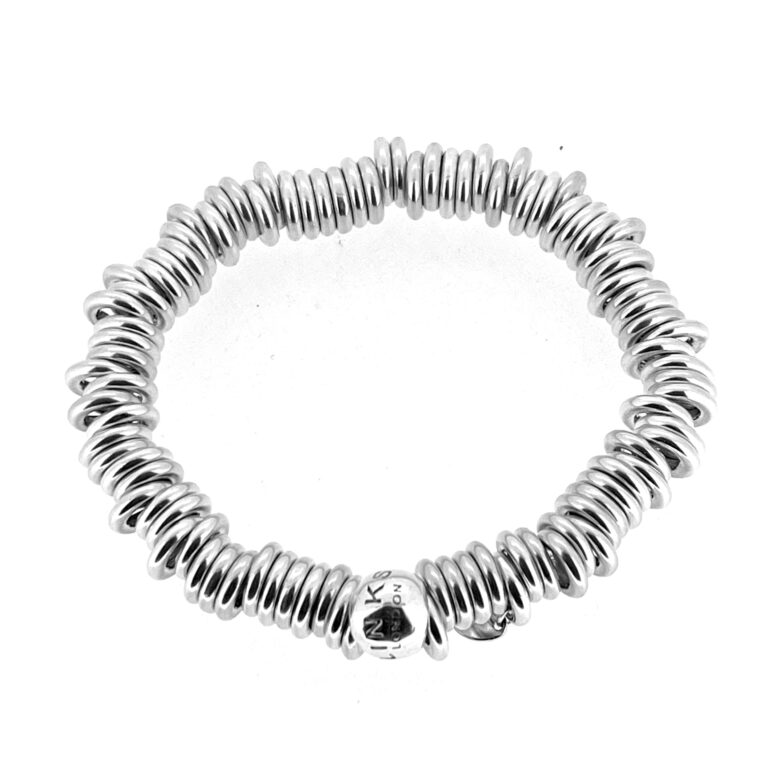
The Links of London Sweetie Bracelet, Sweetie Rings, and Effervescence Bracelets are among the most recognisable designs in modern British jewellery. Their distinctive elastic construction was an intentional design choice, allowing ease of wear, comfort, and fluid movement on the wrist or hand.
As with any jewellery incorporating an elastic core, this component is subject to natural fatigue over time. Periodic restringing forms part of responsible long-term ownership and ensures the piece continues to wear as intended.
This guide outlines why restringing becomes necessary, and the practical options available to owners — whether through careful, owner-led maintenance or by engaging an independent jewellery specialist.
Watch the video below for a step-by-step demonstration of elastic renewal on a Sweetie Bracelet.
Why Elastic Renewal Becomes Necessary
The elastic core used in Sweetie and Effervescence designs naturally degrades over time due to a combination of everyday factors:
- Regular wear – repeated stretching gradually reduces elasticity.
- Moisture and surface products – water, lotions, perfumes, and hand creams accelerate material fatigue.
- Material ageing – even infrequently worn pieces will experience elastic degradation over time.
Renewing the elastic core restores security and comfort while preserving the original appearance and character of the piece.
Owner-Led Restringing: Practical Guidance
For owners who prefer a hands-on approach, elastic renewal can be undertaken at home using appropriate materials and care.
Materials Commonly Used
✔ 1mm clear elastic cord (matching the original specification used by Links of London)
✔ Jewellery scissors
✔ Beading needle (optional, but helpful for threading)
✔ Glue or knot sealer (for added security)
✔ Headband magnifier – particularly useful for Sweetie Rings and more intricate restringing
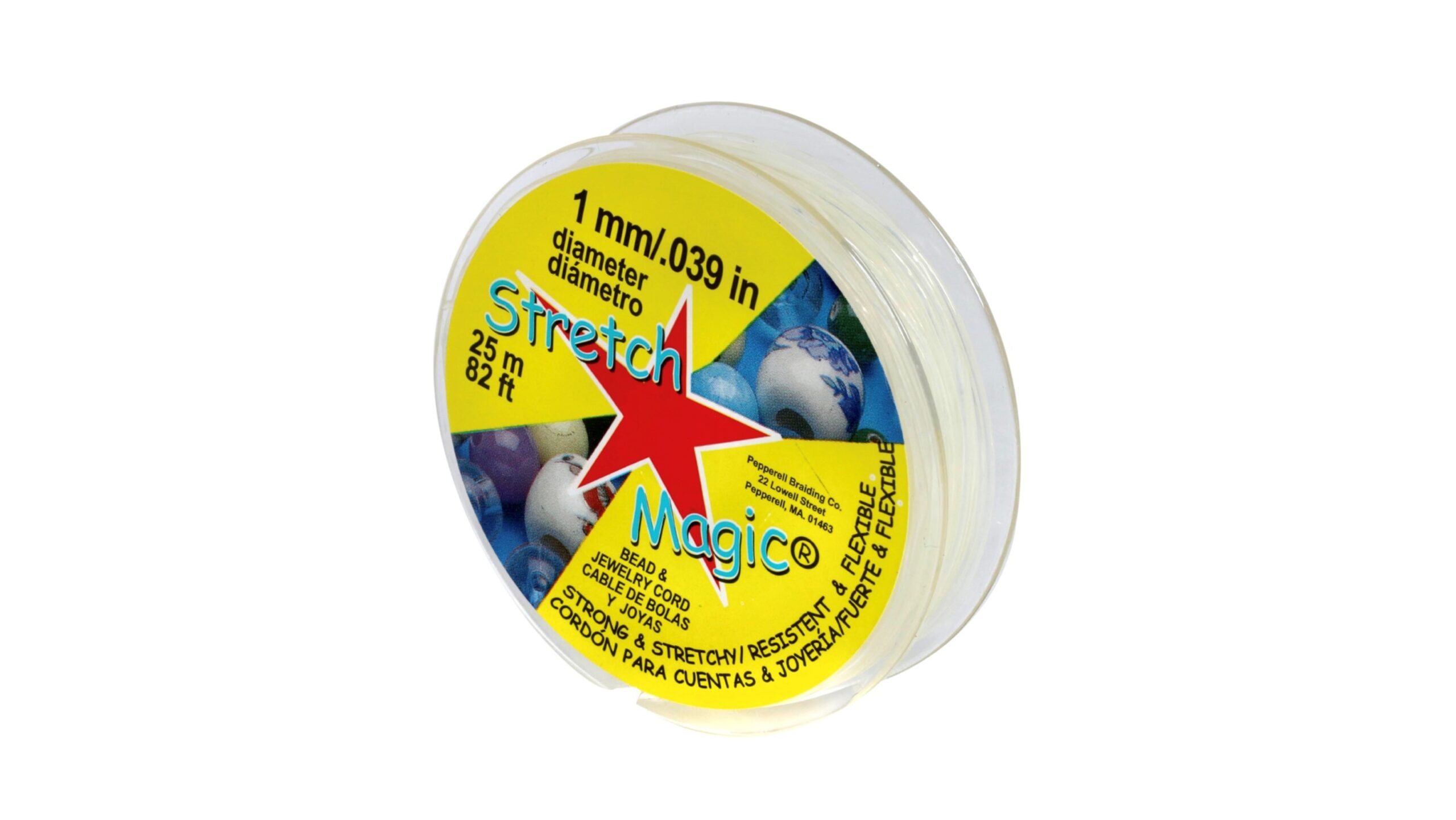
1mm clear elastic cord, consistent with the original construction of Sweetie and Effervescence designs.
Elastic Renewal: Step-by-Step
- Remove the existing elastic – carefully cut and remove the worn core.
- Measure the replacement elastic – cut approximately 1.5× the circumference of the piece to allow for secure knotting.
- Thread the elements – re-thread beads in their original sequence.
- Secure the knot – a surgeon’s knot or double knot provides durability.
- Seal the knot – apply a small amount of jewellery glue or clear nail varnish.
- Allow to cure – leave the piece undisturbed for at least one hour before wear.
For a detailed visual reference, the tutorial below demonstrates the process in full:
Independent Professional Restringing Services
Some owners prefer to engage independent jewellery specialists to carry out elastic renewal, particularly for frequently worn pieces or where additional reassurance is desired.
The services listed below are provided for general reference only. Links London is not affiliated with, nor does it operate or endorse, third-party repair services.
Jewellery Repair Specialists
- Jewellery Doctor – Elastic renewal with a six-month warranty. Visit Website
- Diane Lee Jewellery – Double-strand elastic renewal for additional longevity. Visit Website
- Anna’s Restringing – Specialist elastic renewal for Links of London jewellery. Visit Website
London-Based Jewellery Workshops
- Hatton Garden Workshop – On-site jewellery repairs. Visit Website
- Stanley James Jewellery – Restoration of vintage and contemporary jewellery. Visit Website
Reducing Elastic Fatigue Over Time
Thoughtful handling can significantly extend the lifespan of the elastic core:
✔ Avoid excessive stretching – roll the piece on and off rather than pulling.
✔ Keep dry – remove before bathing, swimming, or applying lotions.
✔ Store carefully – use a soft pouch or jewellery box when not in wear.
✔ Inspect periodically – renew the elastic before failure occurs.
Frequently Asked Questions
How often should elastic renewal be considered?
For regularly worn pieces, renewal every 1–2 years is typical.
Can alternative elastic cords be used?
Clear 1mm elastic is recommended to maintain durability and consistency with the original construction.
Will renewal alter the appearance of the piece?
No. Only the internal elastic is replaced; all beads and charms remain unchanged.
Can charms be rearranged during renewal?
Yes. Elastic renewal provides an opportunity to adjust sequencing or introduce additional charms.
Continuity of Design
Elastic renewal should be understood as part of the natural lifecycle of Sweetie and Effervescence designs. When approached thoughtfully, it preserves comfort, security, and longevity without altering the character of the piece.
